
Water
Expertise
Water systems face challenges as unique and complex as the communities they support. Maybe you’re upgrading an aging treatment plant, planning for bigger storms, navigating new regulations, or expanding to stretch limited supplies to additional customers. No matter the issue, the needs can be urgent, and the decisions you make today will shape your system for decades to come.
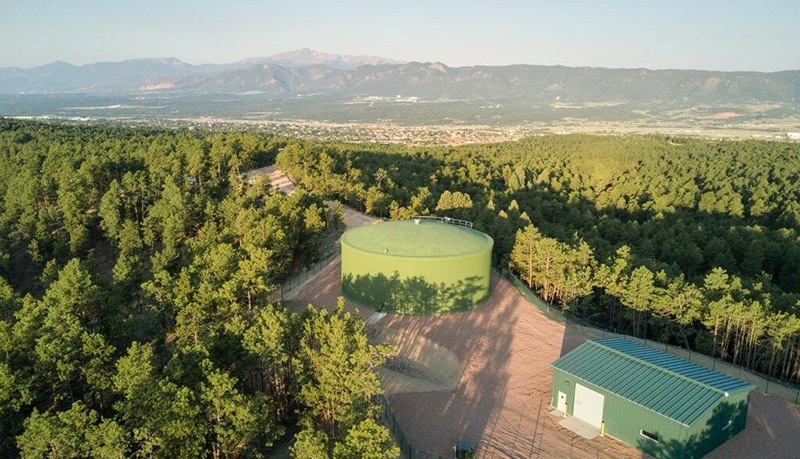
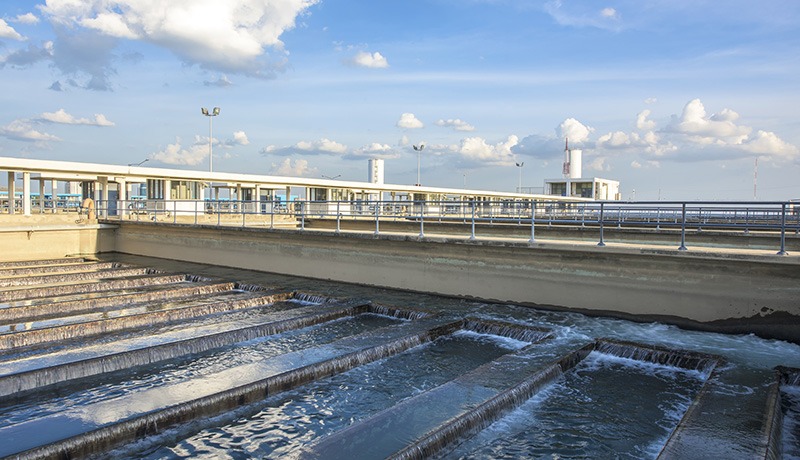
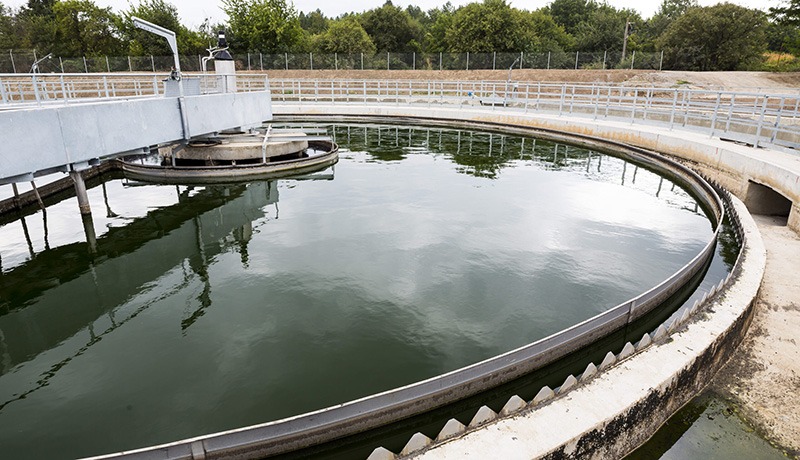
RESPEC helps you protect, manage, and optimize your water resources with solutions grounded in science, engineering, and technology. Whether it’s stormwater, groundwater, drinking water, wastewater, or water reuse, we design systems and deploy equipment that work together, adapt to change, and strengthen the resilience of the people and places that depend on them. Together, we build water infrastructure that performs under pressure and in extreme climates—today and for the long run.
Expertise that Flows Into Impact
Stormwater
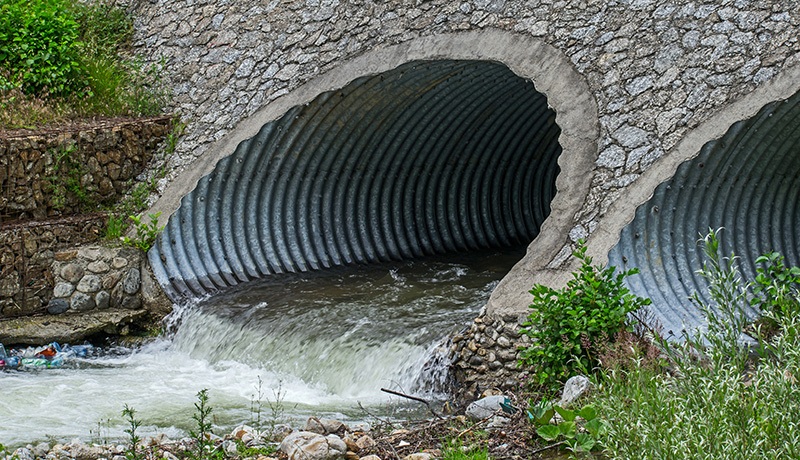
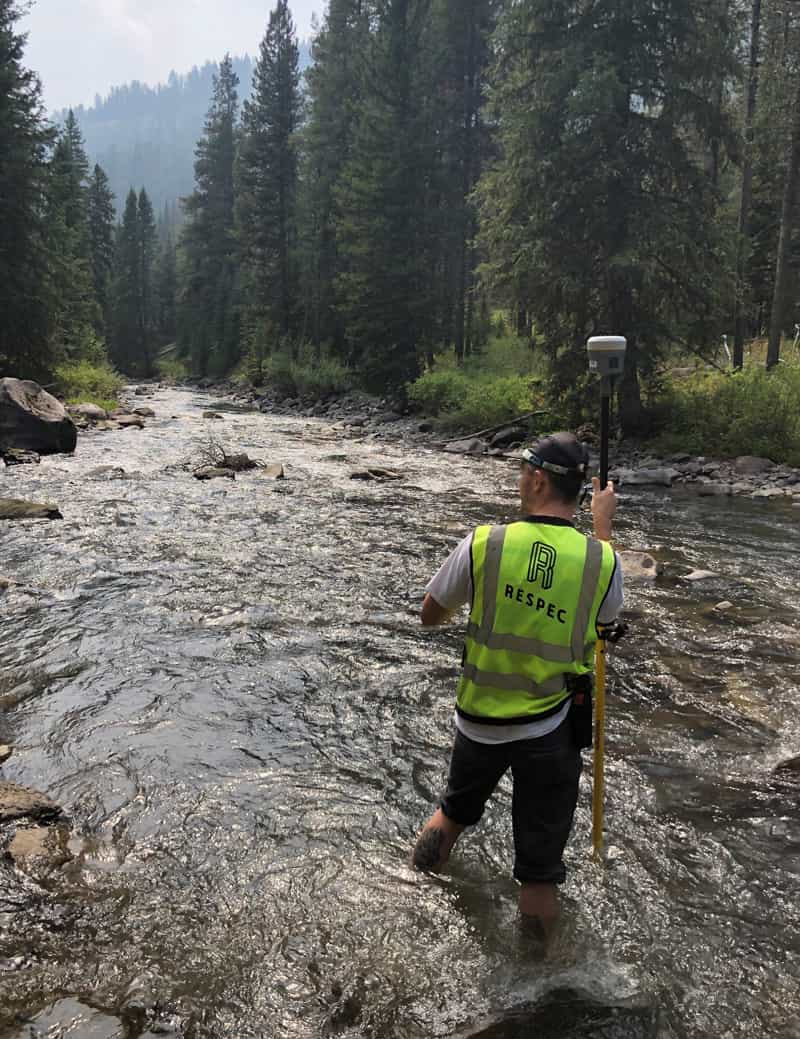
Runoff doesn’t have to be a problem when it’s managed as a resource. RESPEC develops comprehensive master plans and resilient stormwater system designs that protect people, property, and ecosystems. Our multidisciplinary team of engineers, scientists, geomorphologists, regulatory specialists, and modelers creates solutions that reduce flooding, improve water quality, and build adaptive communities that thrive under changing conditions.

Water & Natural Resources Software
See Our Work in Action
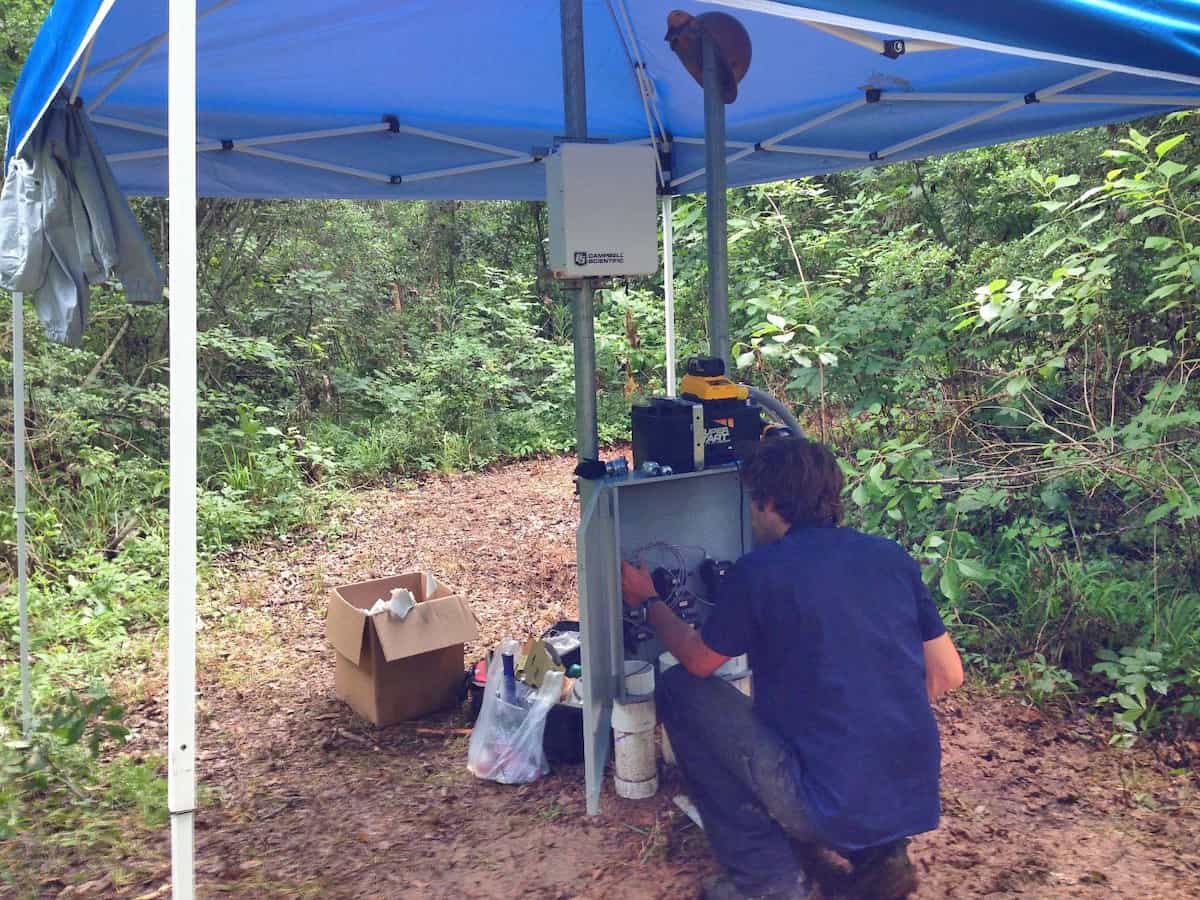
Louisiana: Slope Stability Monitoring
EnvironmentMiningNatural Resource ProtectionWater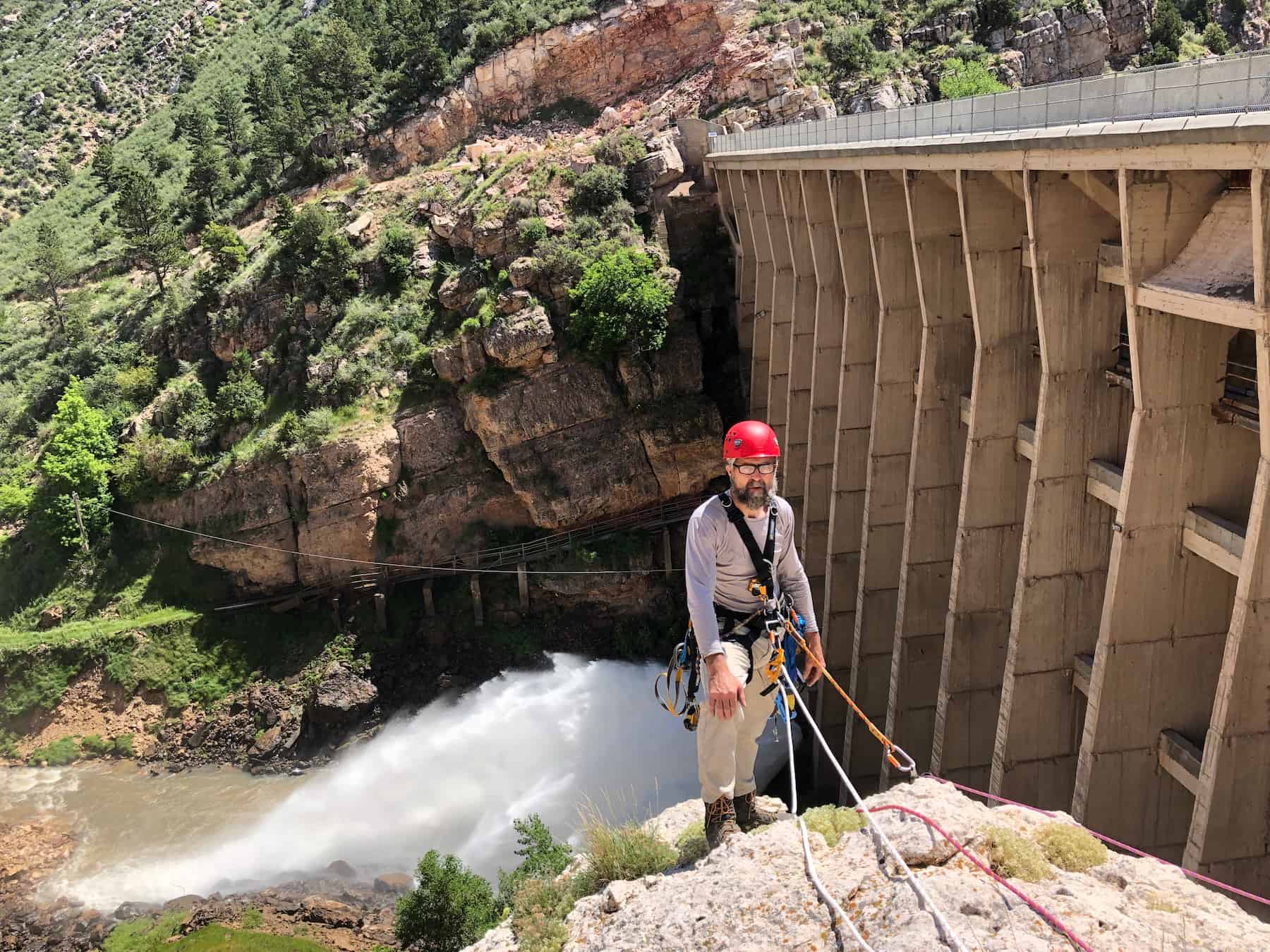
Wyoming: Vibrating Wire Technology for Dam Monitoring
EnvironmentGovernmentInfrastructure Resiliency and ModernizationMiningNatural Resource ProtectionStrategic Advisory and Risk PlanningWater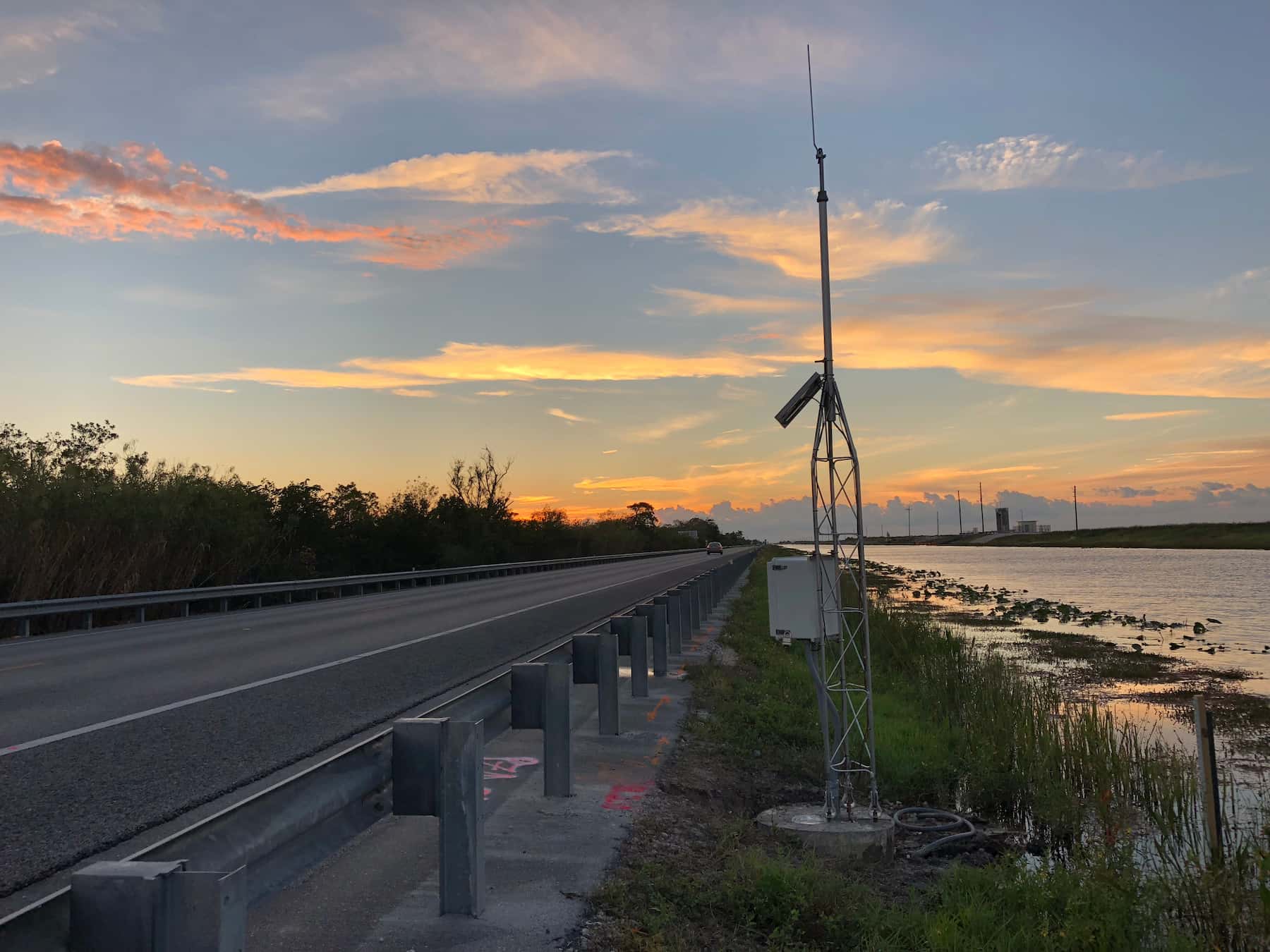
Florida: Road-Base Monitoring
EnvironmentGovernmentInfrastructure Resiliency and ModernizationNatural Resource ProtectionTransportationWater
Integrated Expertise for Complex Challenges
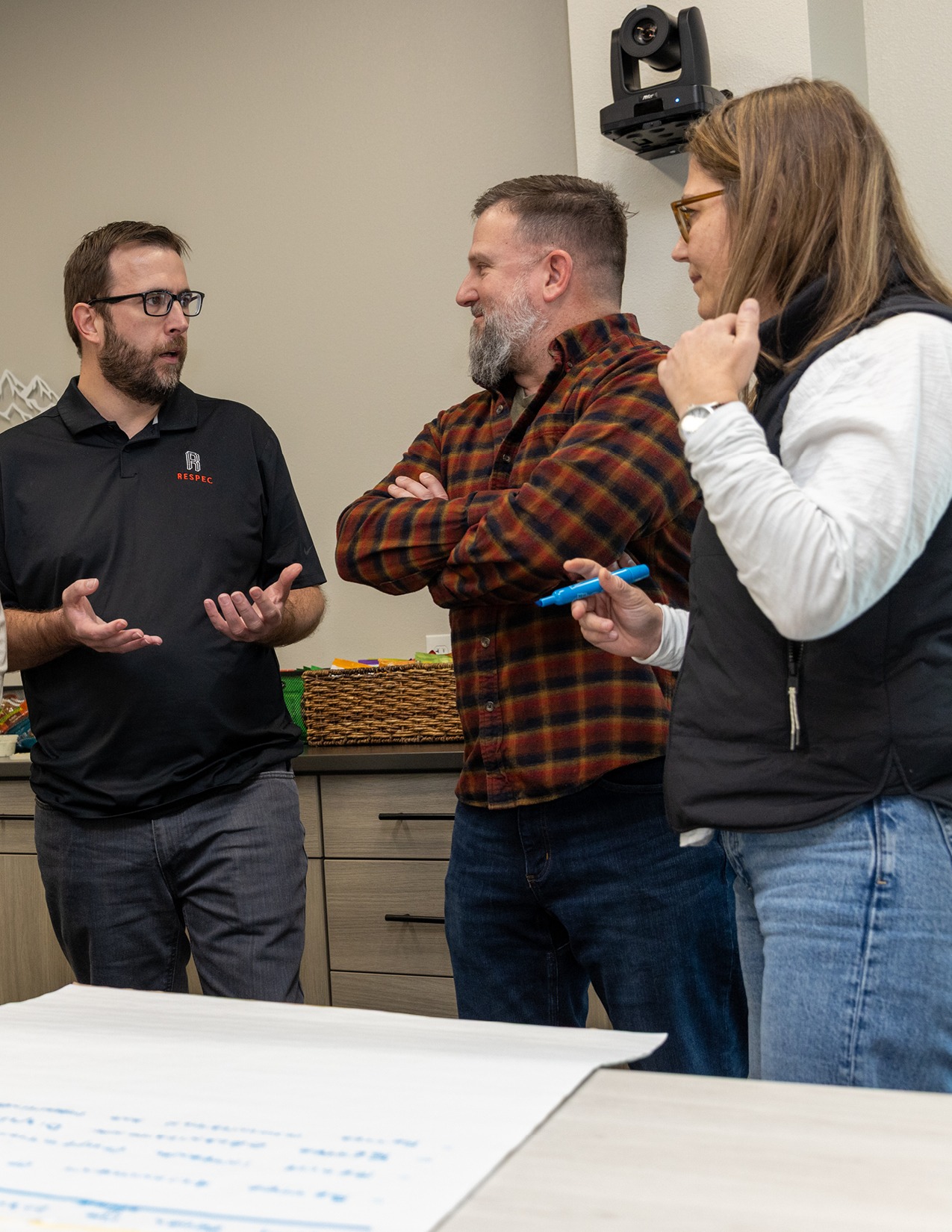
Water doesn’t follow boundaries, and neither do we. RESPEC brings together hydrologists, engineers, ecologists, and data scientists to deliver solutions that work across systems and sectors. The result is smarter, more resilient water management designed for the realities of today and the possibilities of tomorrow.
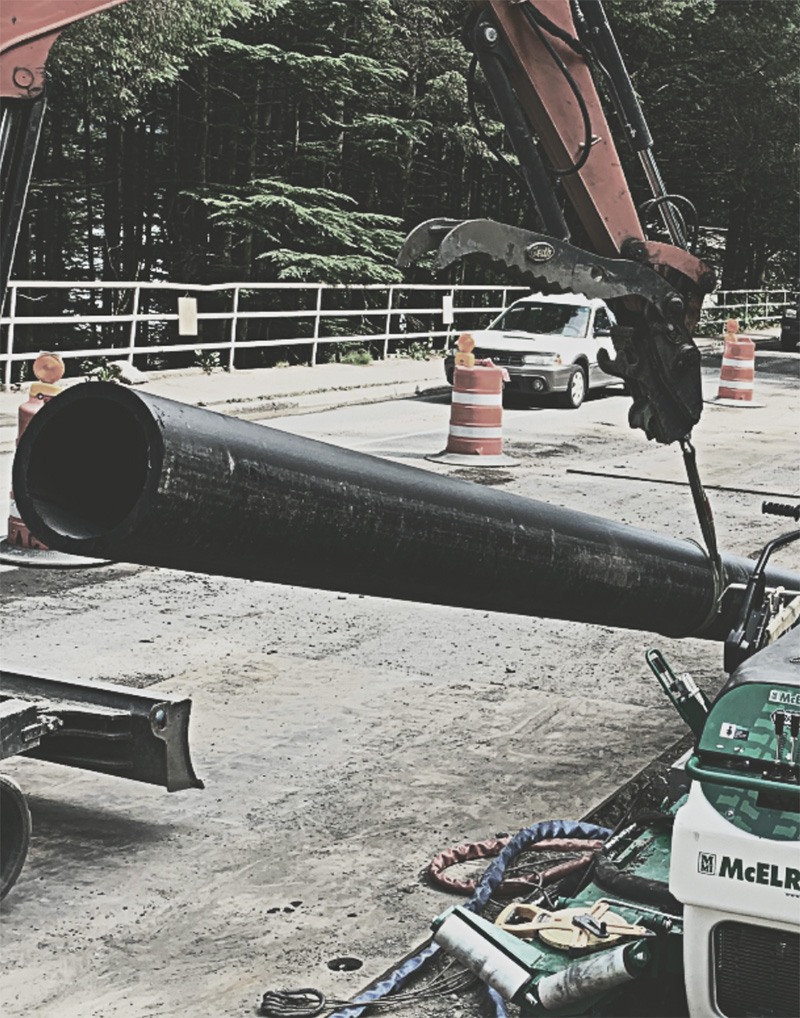
Land Development
Learn More >

Transportation
Learn More >
Solid Waste
Learn More >
Mining
Learn More >

Government
Learn More >
Environment
Learn More >
Facilities
Learn More >

Data & Technology
Learn More >
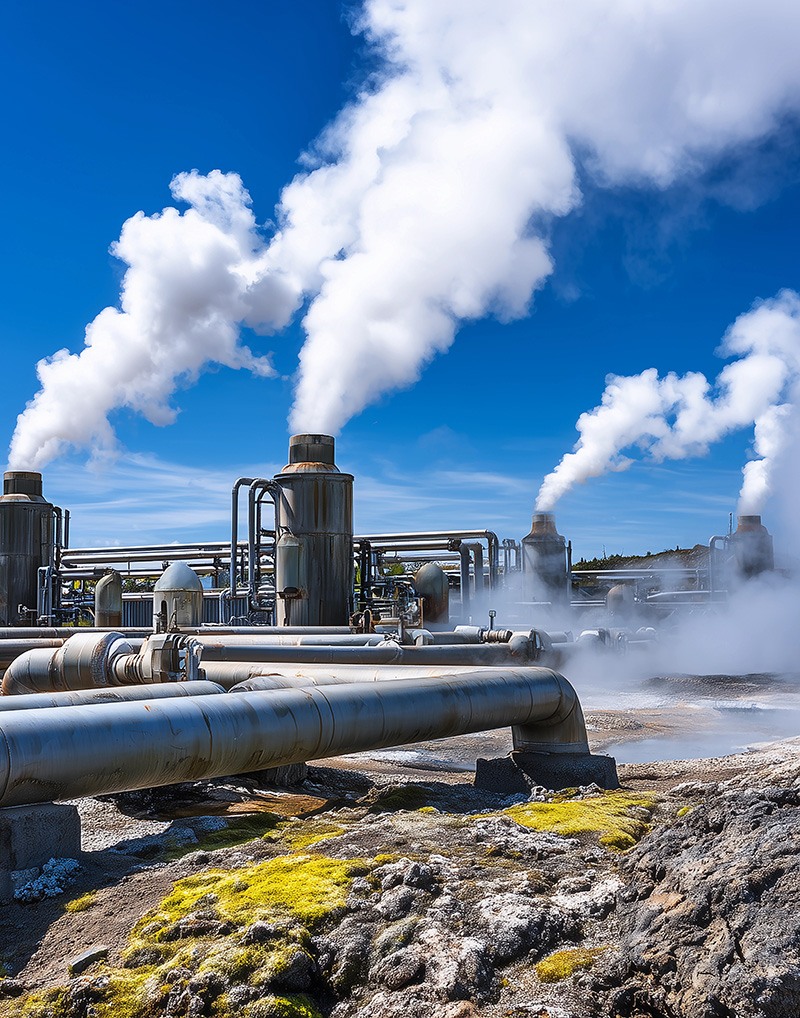
Energy
Learn More >

Ed Rectenwald
Senior Vice President, Water
Meet The Team
Impacts
Supporting responsible energy and resource systems that balance performance, risk, and long-term value.

Deep Dive

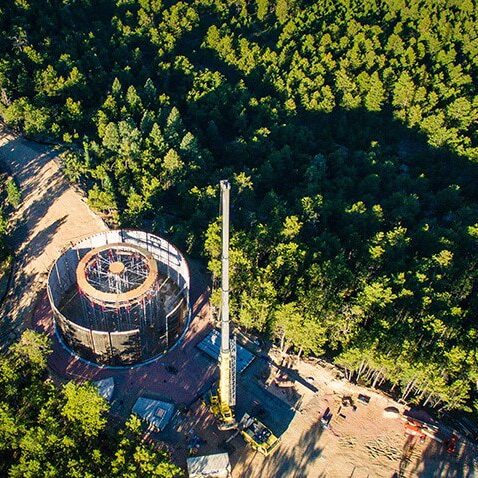
Get Tanked