Mile High Flood District Buffalo Run Master Drainage Plan
Projects
Client
Mile High Flood District
Timeline
2022–2025
Location
Commerce City, Colorado
Using Watershed Insight to Reduce Flood Risk and Protect Communities
Understanding Current Flood Risk and System Limitations
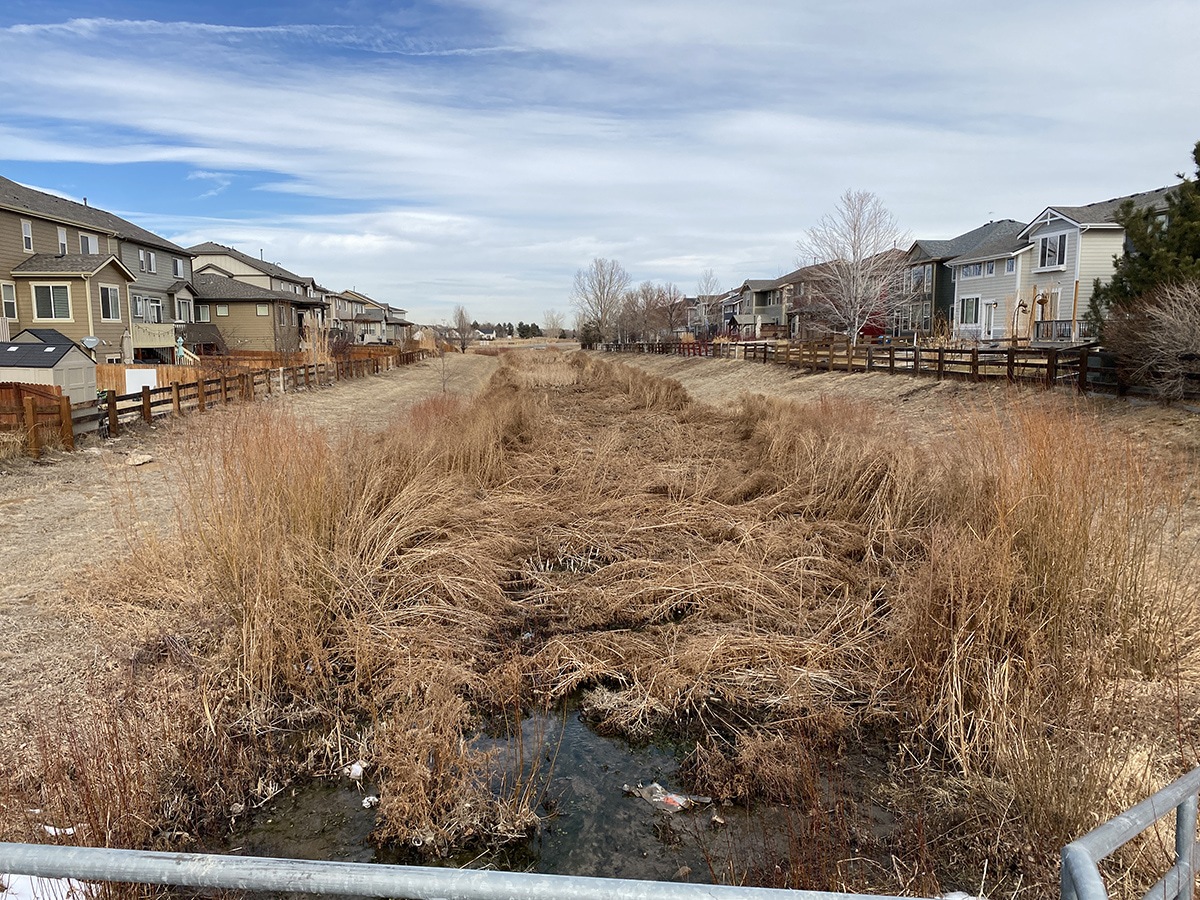
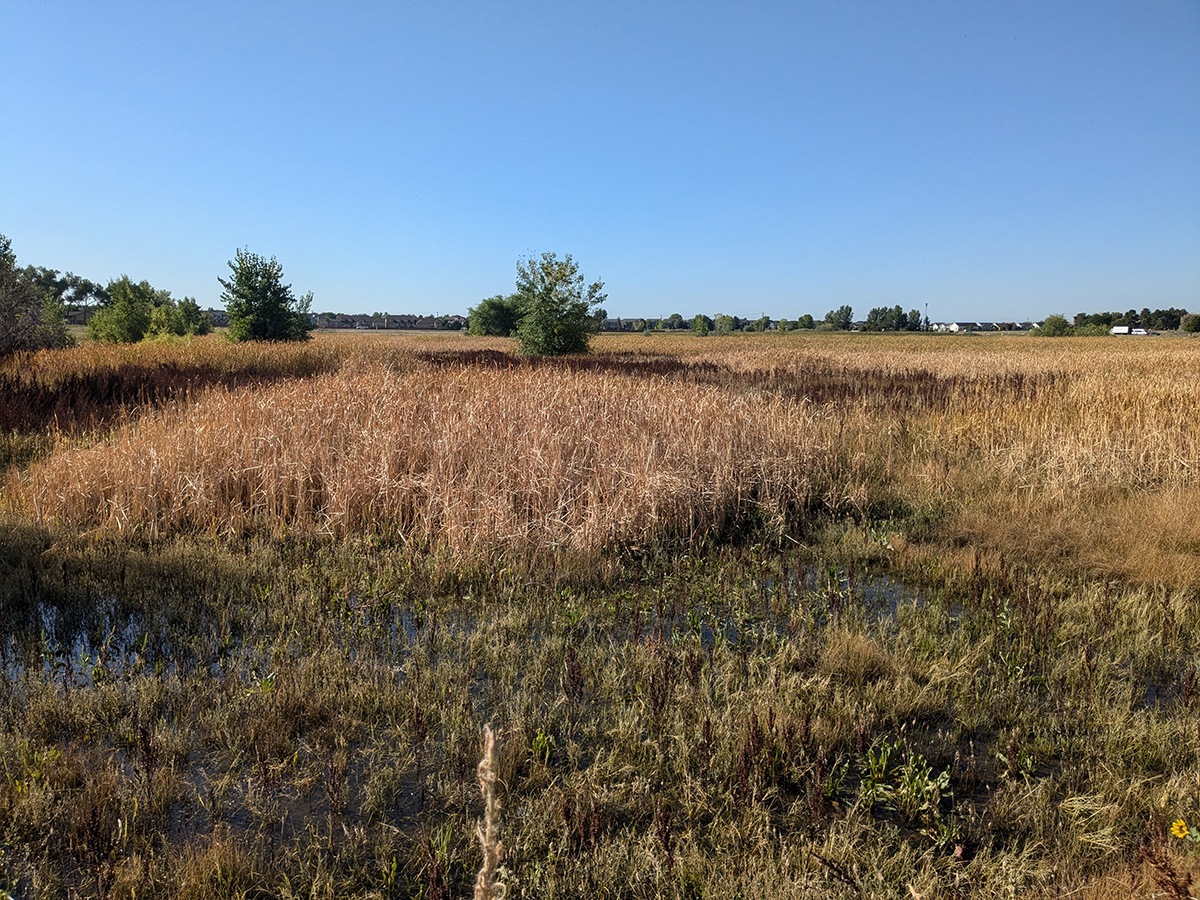
The Buffalo Run watershed spans 2.67 square miles, draining to the Third Creek tributary as it crosses the Buffalo Run Golf Course and several established and emerging neighborhoods in Commerce City. With medium-intensity development anticipated across the eastern grasslands, the Mile High Flood District (MHFD) needed a clear, defensible understanding of how the watershed performs today and where future growth could increase flood risk for people, property, and infrastructure.
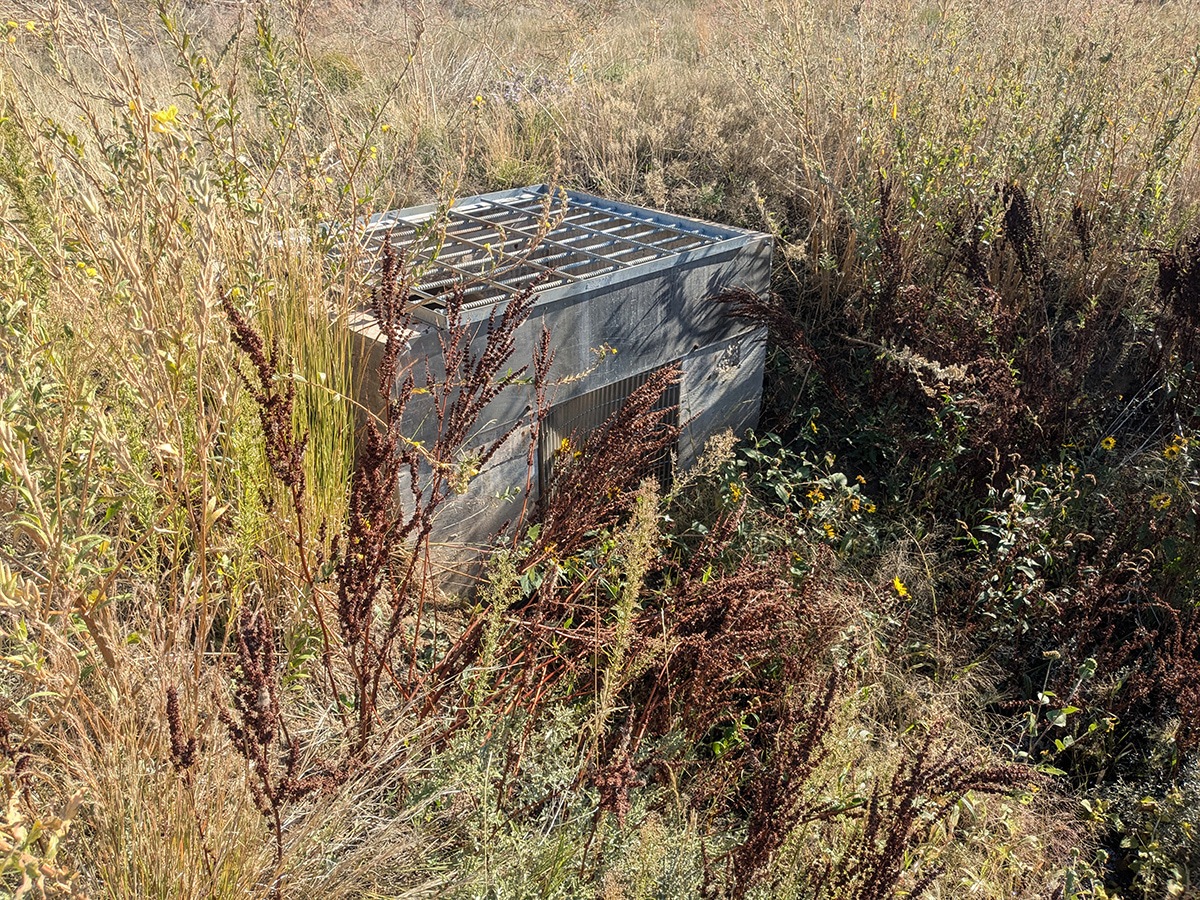
The MHFD requested that RESPEC assist in updating basin hydrology, identifying real flooding and drainage issues, and developing feasible solutions rooted in community input and technical rigor. Our team collaborated with the MHFD to build a comprehensive hydrologic model, which established peak flows for the 2-, 5-, 10-, 25-, 50-, 100-, and 500-year events. We also developed a HEC-RAS 2D model to analyze these flows in the context of the stream corridors and stormwater infrastructure. Together, these models gave MHFD a defensible baseline to prioritize improvements and support future planning decisions.
Feasible Flood Mitigation Options for a Growing Watershed
Working closely with the MHFD and Commerce City, RESPEC evaluated practical solutions such as stormwater parks, new detention capacity, and an overflow channel integrated with the local golf course under the Urban Stream Assessment Procedure (USAP) framework. Each option would be designed to manage water responsibly while supporting community use.
The USAP evaluations included not only the traditional hydrologic and hydraulic benefits of each alternative, but also the geomorphic strength of the streams, improvements to native vegetation diversity and resilience, and community stewardship and quality of life benefits. The USAP phase of the study was a pilot program for the MHFD and RESPEC that will be refined and implemented throughout the MHFD watershed.
The plan offers a clear path for reducing flood risk, improving watershed function, and aligning stormwater investments with community priorities. By grounding every alternative in measurable performance and long-term maintainability, the Master Drainage Plan strengthens both day-to-day operations and future resilience.