Managing Volatility Via Efficiency, Flexibility, and Foresight
Article

A Formula for Market-Ready Clients
In the mining and energy sector, market volatility is not a question of “if”—it is “when.” Commodity price swings, fluctuating exchange rates, tariffs, geopolitical instability, and supply chain bottlenecks have conspired to turn stable planning into a high-stakes gamble. For mining and energy clients, this volatility complicates capital planning, disrupts cash flow, delays projects, and heightens operational risk.
Markets swing. We plan for both directions.
Lithium prices have dropped. Potash has steadied. Copper is climbing. Gold is pushing records. Today’s headlines point one way—tomorrow’s may pull a hard turn. The only thing you can count on is change.
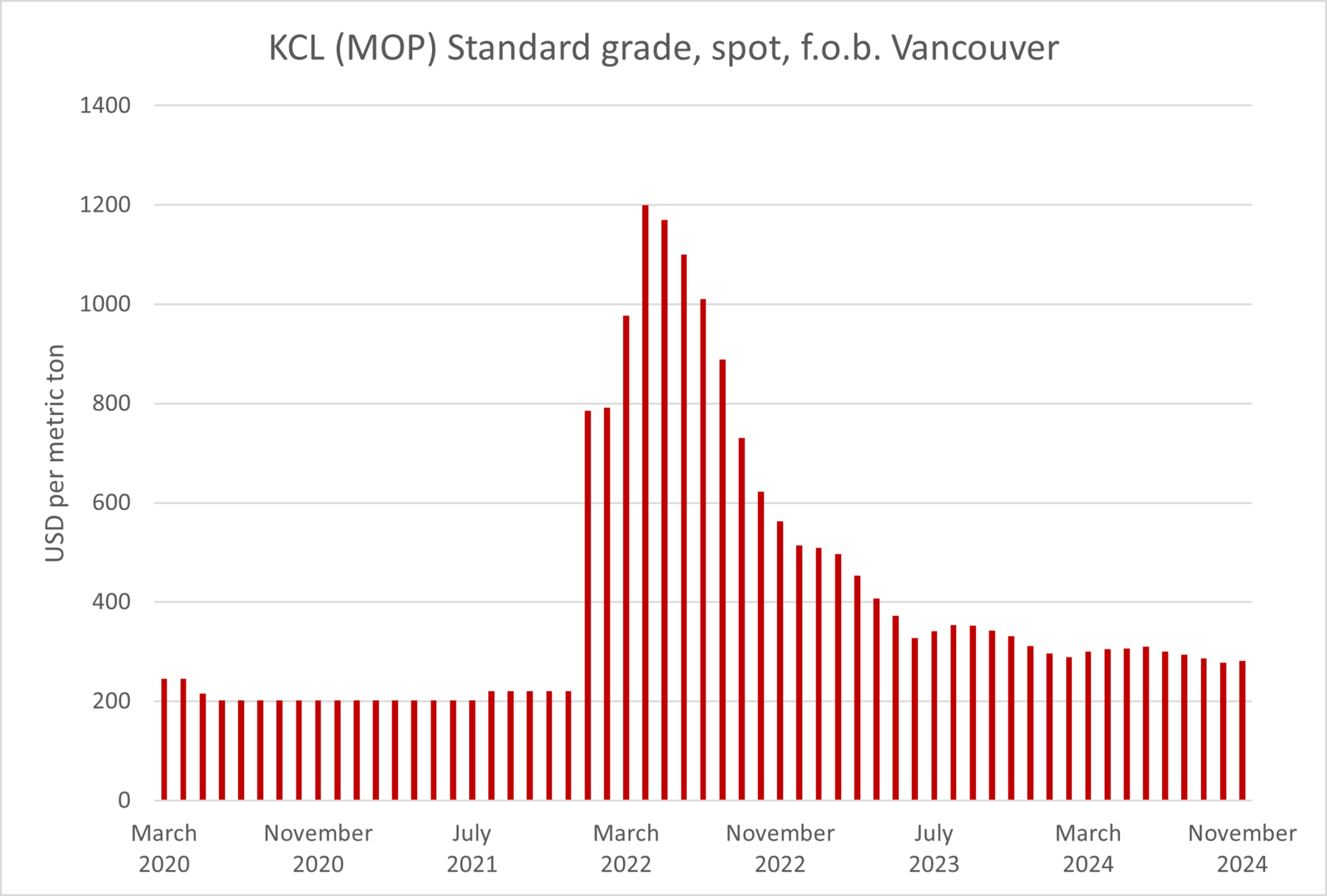
MOP price over the past 5 years. (Source: Indexmundi.com)
A case in point is potash, a critical ingredient in fertilizers with global pricing that has fluctuated wildly over the past three years. In 2022, retail prices surged to near-record highs—up to $896 per ton—driven by tight supply, geopolitical conflict, and soaring demand for food production. Sanctions on Russia and Belarus, two of the world’s largest potash producers, reduced global supply by nearly 10 million tons. Meanwhile, Canadian producers could only ramp up production by about 4 million tons, and major new sources, such as BHP’s Jansen Mine, will not come online until 2026. Add labor disruptions, like railway strikes, and inflationary pressures on farming, and you have a perfect storm.
In times like these, mining and energy clients need more than traditional engineering services—they need strategic partners. That is where RESPEC steps in. With deep experience in minerals, markets, and project planning, RESPEC helps clients not just survive volatility, but optimize within it. Deba Das, Staff Engineer and a leading expert on potash market dynamics, explains: “It is not just about technical know-how. It is about understanding the forces shaping the market and designing your operations and business strategies to match.”
Susan Patton, Principal Consultant, agrees.
“Anyone can have a good day or a bad day. You have to be ready for both,” she says. “We help clients build that readiness.”
RESPEC delivers this readiness through three key strategies.
1. Design for flexibility.
Markets fluctuate, but infrastructure must endure. RESPEC designs facilities and systems that accommodate both peak and valley conditions. “You plan for an average production rate,” Susan says, “but your system must handle extremes.” Built-in headroom, modular capacity, and contract flexibility (such as clauses that account for tariffs or surcharges) allow clients to pivot quickly without panic. This ensures they can ramp up to seize high-price windows and scale back when needed without compromising performance.
2. Drive incremental efficiency.
When prices soar, inefficiencies creep in. When they crash, overreaction can stall progress. RESPEC emphasizes consistent, incremental improvements—2% gains in recovery rates, reduced dilution in mining, and process optimizations that improve margins regardless of market cycles. “If you have already mined the material,” says Susan, “even small increases in recovery pay big dividends.” Efficiency should be a mindset, not a reaction. And the best time to act is before the pressure hits.
3. Manage risk strategically.
Volatile markets require smart hedging, diversified operations, and long-term contracts. RESPEC collaborates with clients to forecast global trends, assess geopolitical risks, and establish diversified customer bases. “Long-term contracts help insulate clients from sudden shocks,” says Deba. “So does commodity hedging and entering markets with more stable demand.” The rise of sulfate of potash (SOP) as a value-added alternative to traditional muriate of potash (MOP) is one example of how product strategy plays into resilience.
Clients must also consider logistics. The 2022 rail strike in Canada, though brief, revealed how fragile transportation systems can halt progress, even in boom times. RESPEC’s planning includes an analysis of logistics and supply chain vulnerabilities that could impact delivery schedules and project success.

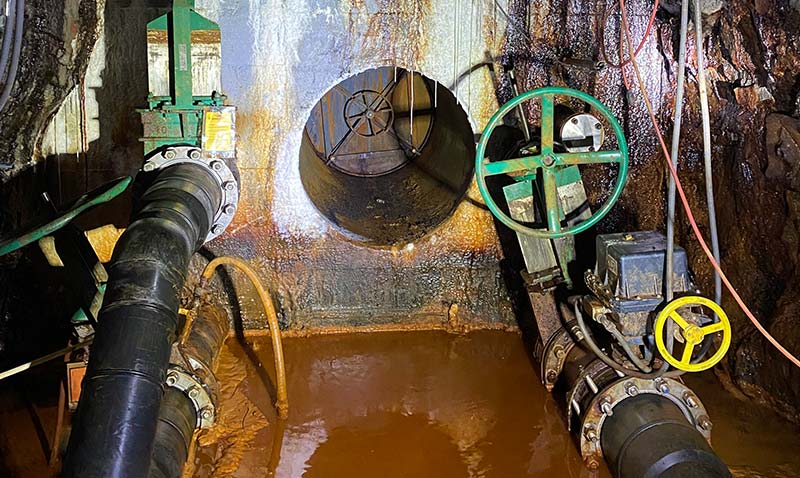
A potash tunnel. (Source: AdobeStock)
What does success look like?
Clients who partner with RESPEC are not simply reacting to the market—they are planning for it. Success means designing plants with adjustable capacity, negotiating contracts with built-in protections, improving recovery and efficiency across operations, and making confident, proactive business decisions based on real market insight.
RESPEC’s team also supports junior exploration companies navigating these challenges. As investment flows back into smaller North American projects, RESPEC helps these companies design scalable, efficient systems that can weather early-stage volatility and position them for long-term success.
“The time to plan is before volatility hits,” says Deba. “We help clients build systems and strategies that are ready—whatever the market brings.”
This article originally appeared in the May 2025 issue of RESPEC’s Mining & Energy Market Insights Newsletter.
Related Content
Gold at $5,000: What the Price Tells You and What It Doesn’t
Article

From the Client Side to Ours
Our People

When Inflow Stops Being Theoretical
Article