The Next Generation of Women in Mining Are Already at Work
Article
From geological modeling to mine water science, five RESPEC women are putting their expertise to work.
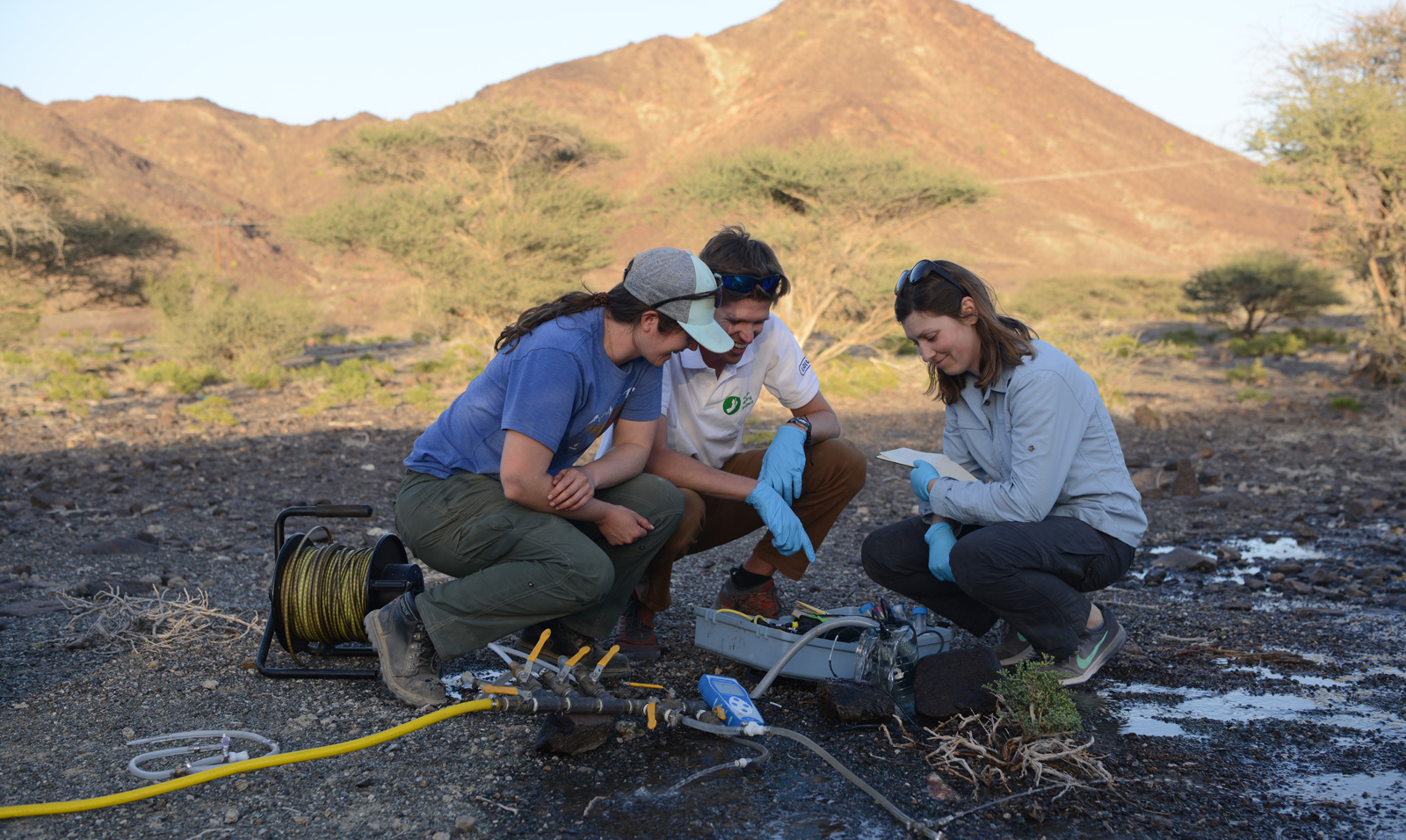
Libby Fones expected to spend her career studying microbes in academia. Her PhD in microbiology from Montana State University led to postdoctoral research at the University of Washington, where she investigated the roles of microbes in natural environments. Along the way, her knowledge of geochemistry expanded as she deepened her understanding of the complex interplay between microbial activity and geochemical conditions. Today, she’s applying that background to mining by working with models that predict water quality at mine sites.
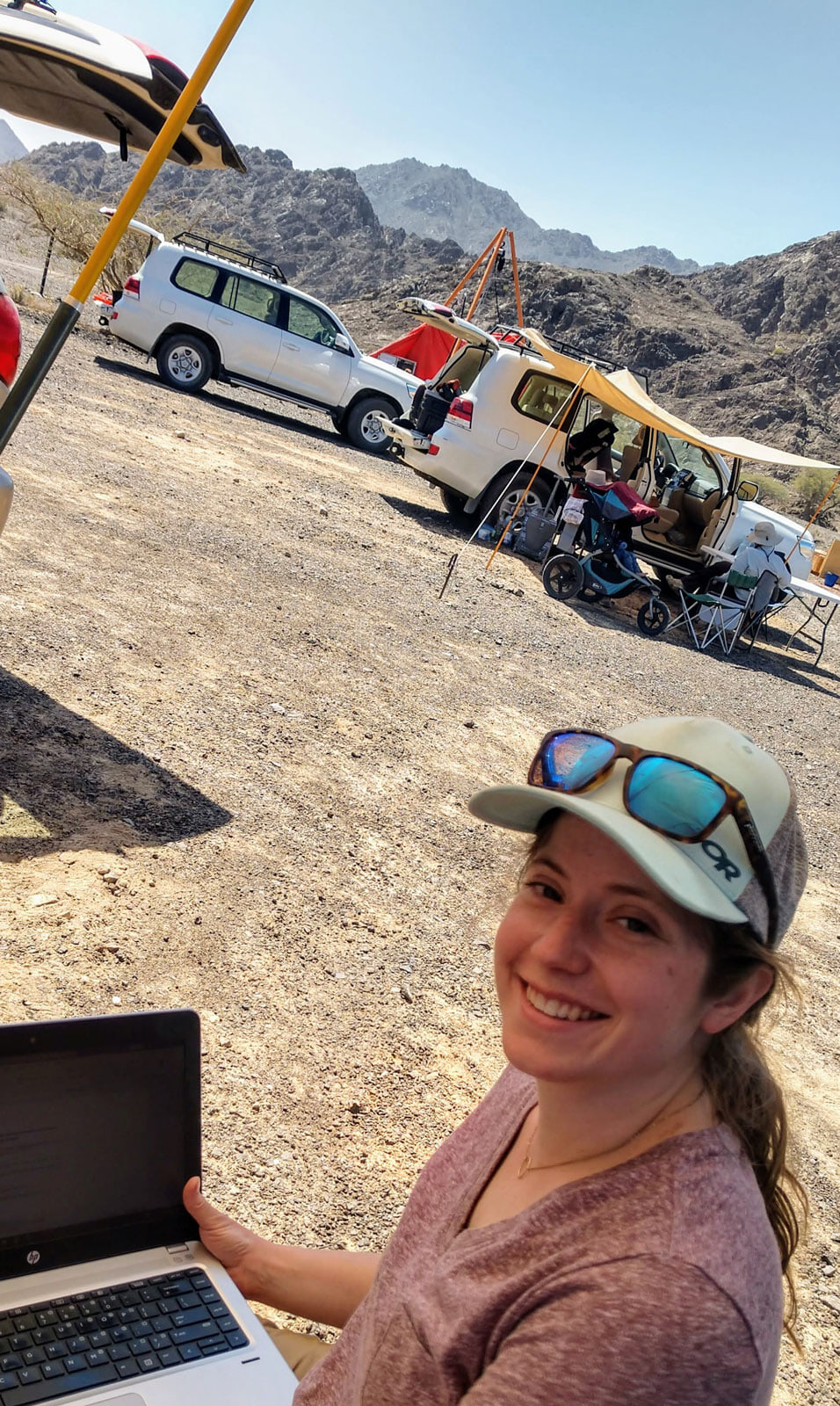 This career shift required a change in how Libby approached problems. Research offered more control over the variables, and working at a mine site introduced conditions and decisions beyond her own scope.
“I don’t get to design every part of a mine, obviously,” she says. Learning where her scientific knowledge could contribute within the given constraints has been a central challenge and opportunity during her early career.
Now based in Reno and working closely with RESPEC’s Bozeman team, Libby is helping colleagues develop newer approaches to predictive water quality modeling. She’s struck by how quickly the methods have advanced, even compared with those she used a year and a half ago, and by the opportunity to bring greater scientific rigor to the work.
Her path is one of several that brought five women into RESPEC’s Mining and Energy teams. Their backgrounds span geology, chemical engineering, environmental engineering, and geomicrobiology. Their experiences offer a view of the work available in mining, including specialties that some hadn’t initially associated with the industry.
Following the Science
Stephanie Pfiffer discovered mining through a process engineering role after completing her undergraduate degree in chemical engineering. The more she learned about the industry, the more interested she became. But she wanted an environmental focus, too, and returned to school for a master’s degree in environmental engineering at the University of British Columbia.
Geochemistry offered a way to bring those interests together. She joined RESPEC in Vancouver, where she works with the Bozeman Mine Water Management Team and is beginning to gain field and laboratory experience.
“It’s been really exciting to still be in the mining world,” she says, while “looking at water quality and doing something that I feel super passionate about.”
Saanya Batra, an environmental engineer-in-training in Vancouver, also moved from a chemical background toward environmental work. She was interested in environmental restoration and wanted to apply her education in a field where she could contribute.
Due diligence assignments have introduced her to the breadth of proficiency involved in a project. Geology, engineering, water resources, environmental services, and permitting factored into the larger project, with colleagues contributing from different offices.
“It doesn’t matter where the project is based,” she says. “When there is need, people from all sectors/offices are happy to help.”
For Saanya, learning who to call has been part of learning the profession. The relationships that helped her enter the industry now help her navigate its technical specialties.
From Models to the Field
Madeline Makowski’s interest in geology began outdoors during visits to places that made her curious about the landscape. At Boise State University, exposure to mining professionals helped turn that curiosity into a career choice. Watching her older sister become an engineer in oil and gas also gave her an example of a young woman finding her place in a technical industry.
“Having those connections helped me understand what I’d be getting into,” she says. “I think more students would consider mining if they had opportunities to see what the work actually looks like.”
Now a geologist in Reno, Madeline is building 3D geological models and learning to interpret project data. Upcoming drilling assignments will give her more time examining rocks firsthand. She’s drawn to the balance of working through the geology using software, then going into the field to make observations herself.
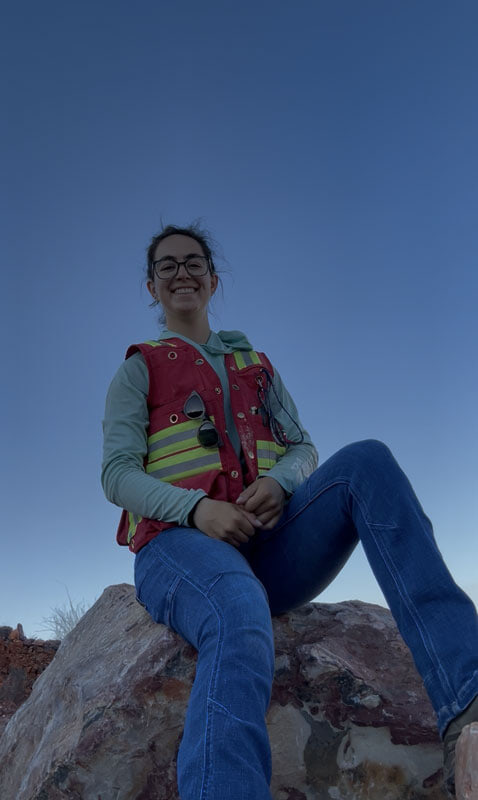 Jessica Pancake has been building experience in the field by collecting samples, learning to log reverse-circulation drill chips, and completing reconnaissance with a junior mine engineer for another RESPEC office. On one assignment, her sampling gave another geologist time to concentrate on mapping.
Office work has brought responsibility, too. When a client significantly advanced the deadline for four environmental site assessments, Jessica and her manager worked together to complete them. Jessica recognized the value of her contribution after learning that her manager had relied on her work.
“I don’t think that finding my place in the mining industry was an overnight thing for me,” she says. A succession of assignments helped her recognize what she could contribute.
Seeing a Future
Experienced women have helped make that future visible. Libby points to Lisa Kirk, Rachel Spietz, and Katie Seipel in RESPEC’s Bozeman office as examples of women doing technical work that she admires. Working with the Vancouver team, Stephanie also values seeing women in leadership and having candid conversations about gaining field experience while navigating responsibilities at home.
Those examples sit alongside the assignments that help shape a career. For Jessica, one such assignment emerged at a drill rig. She was working on a project for another RESPEC geologist and was the only RESPEC employee at the field site. The client provided training and guidance as she took on the assignment.
Ask these women what draws them to mining, and the answers get specific: the rocks behind a geological model, the chemistry of mine water, the chance to apply science to a complex site. Those questions are prompting the next generation of women in mining to build niche careers. Their answers will help shape how future mines are understood, developed, and managed.
Related Content
When Opportunity Becomes Yours to Give
Article
Geotechnical Dos and Don’ts Before Your Next Mine Study
Article
Revisiting Potash Projects
Article