The Forces Reshaping Industrial Minerals Markets
Article
Industrial minerals producers know their materials matter. The harder question is what will shape the minerals markets next.
For years, business decisions have centered on reserves, production, processing, transportation, and customer demand. Although those fundamentals still matter, much of the pressure today comes from outside the operation. End-use markets are changing. Sustainability expectations are moving deeper into supply chains. Logistics can affect a project’s economics as much as geology or plant performance.
That broader market picture is reflected in the 2025 Industrial Minerals Review published by Mining Engineering. RESPEC professionals contributed analyses of kaolin, soda ash, and salt, each offering a distinct view of how industrial minerals markets are responding to evolving business conditions.
Kaolin shows that product performance and environmental expectations are increasingly intertwined. Used in ceramics, paints, paper, plastics, and other manufactured products, kaolin continues to serve established markets alongside new applications. Producers are not only watching demand but also assessing how processing, land use, water, and reclamation practices affect long-term competitiveness.
“As demand for advanced materials and environmentally responsible products grows, kaolin producers are adapting through innovation, improved processing, and stronger environmental stewardship,” said Debashis Das, P.E., Staff Engineer.
Soda ash points to another reality: long-term demand is often driven by decisions made far downstream. Glass manufacturing, chemical production, and energy-related technologies all influence the market. For producers, that means market planning cannot stop at current sales and must account for how customers’ industries are changing.
“The long-term outlook for soda ash remains positive because it supports industries central to economic growth and the energy transition,” Das said.
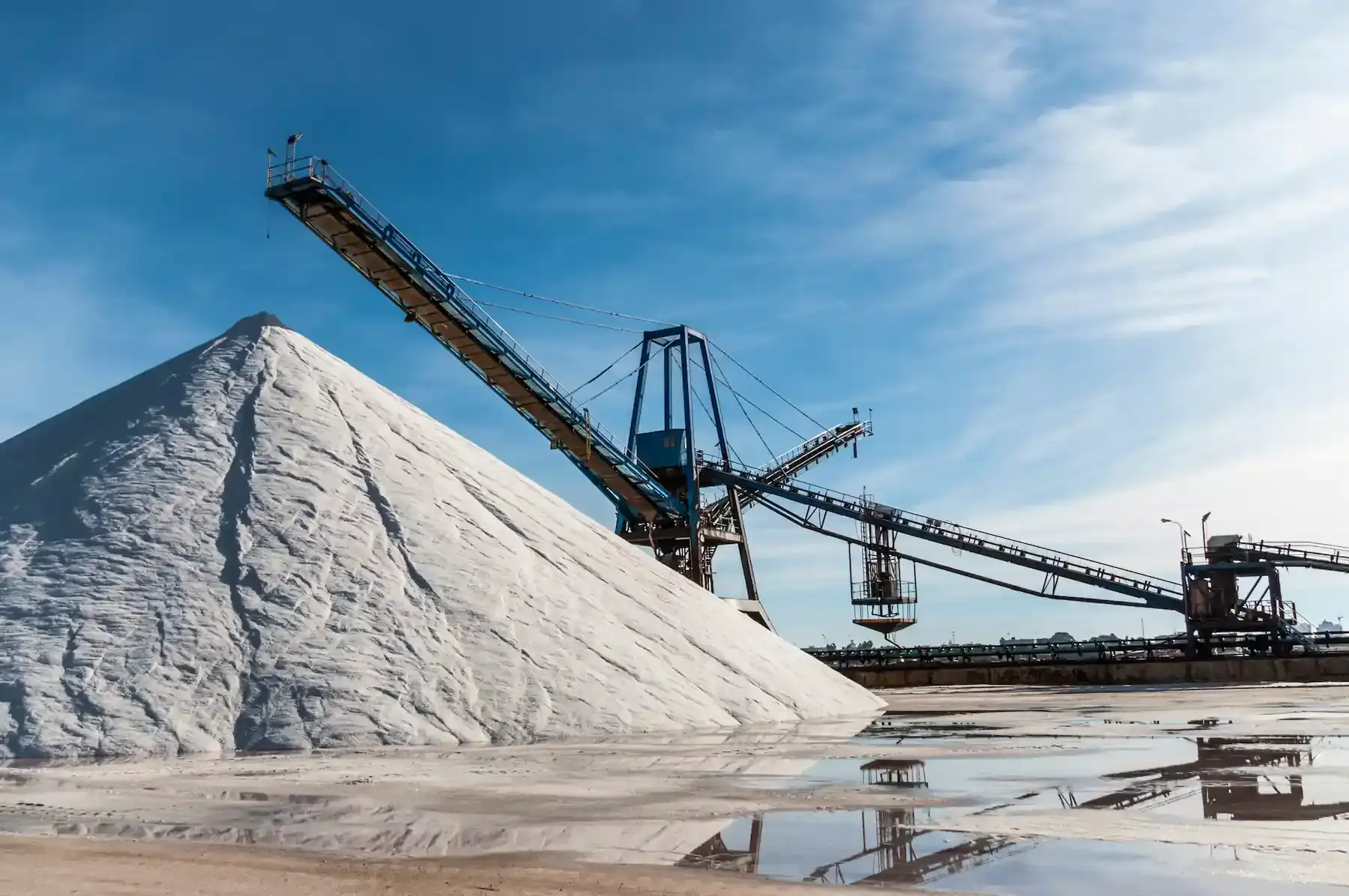
Salt may be the clearest example of how a familiar mineral can pose complex business risk. Its uses extend well beyond deicing to water treatment, food production, chemical manufacturing, and other industrial processes. That broad customer base creates opportunity but also puts supply reliability, transportation, and logistics at the center of market performance.
“Salt remains one of the most practical and important industrial minerals because it supports critical infrastructure and industrial processes that communities rely on daily,” said Cody Vining, Manager, Rock Mechanics.
“The salt market is a reminder that industrial minerals do not operate in isolation. Manufacturing activity, infrastructure investment, weather, transportation capacity, energy costs, and broader economic conditions all influence demand and long-term market opportunities,” said Jacob Hewett, Director of Industrial Minerals Operations.
None of these minerals is new, which is the point. The materials themselves may be familiar, but the decisions surrounding them are becoming more complex. Industrial minerals producers are being asked to read the market more broadly, plan further ahead, and understand how forces outside the mine can affect value within it.
For companies in the industrial minerals industry, the advantage may come from recognizing those connections early. Producers who understand the direction of demand, environmental expectations, and supply-chain pressures will be better prepared to manage risk and recognize opportunities before the market makes either one obvious.
Related Content
Better Data, Better Decisions: Meet RESPEC’s Rock Testing Team
Article

How Operators Can Make New Technical Work More Useful Across the Mine Life Cycle
Article

What Clients Need in Volatile Markets: Trust, Continuity, and Real Partnership
Article