What If Mine Water Wasn’t a Risk?
Article
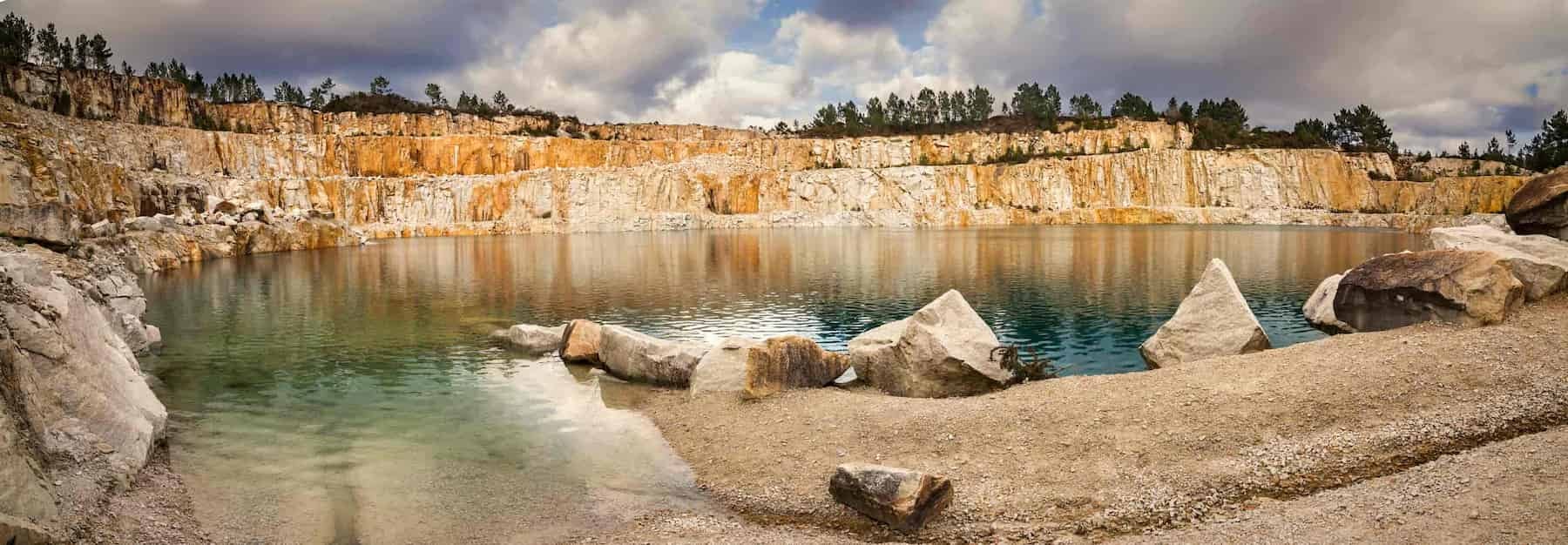
Cost Benefits of Mine Water Management and Proper Planning
In potash mining, water can be an operation’s most unpredictable—and expensive—element. Water infiltration causes unplanned shutdowns, complicates regulatory compliance, and, if left unchecked, can cost millions. However, the most successful operators today aren’t just managing water—they’re turning it into an asset.
That’s the message from Dr. Mario Bianchin, RESPEC’s Director of Mine Water Management, who has spent decades helping mining clients around the world solve water challenges. His team combines hydrogeology, engineering, biogeochemistry, and environmental science to develop smarter, more adaptable strategies for managing mine water across the entire project lifecycle.
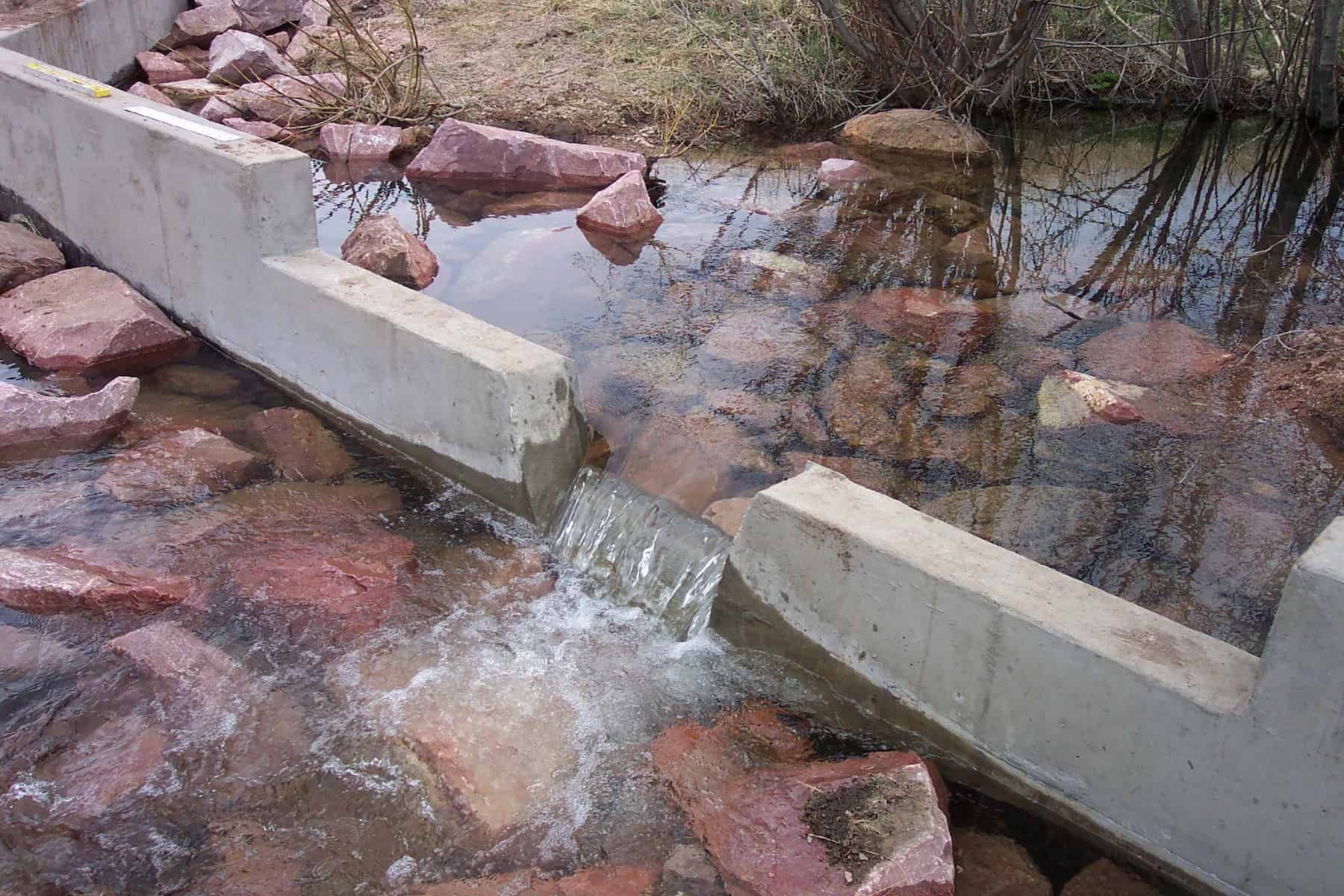
Clean water isn’t just the end goal—it’s a critical input. Smart mine water strategies begin with understanding the quality and behavior of water on site.
Water surprises aren’t just inconvenient, they’re expensive.
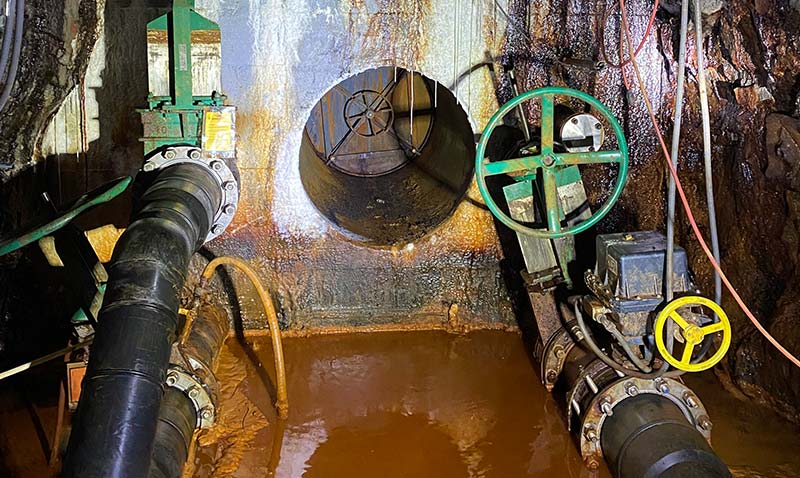
Whether mining conventionally or using solution mining, potash producers face a shared challenge: how to manage complex water conditions beneath the surface. Underground operations must deal with potentially hazardous water inflows from fractured formations and permeable layers. Solution mining introduces its own complications, including brine management, aquifer protection, and freshwater conservation.
“Water’s not just a technical issue—it’s a business issue,” says Mario. “An unexpected inflow can stop production, damage equipment, and trigger a cascade of environmental and operational setbacks. The cost of not planning can be staggering.”
These hindrances are why reactive approaches to mine water management are no longer enough. Today’s operators need solutions that are proactive, predictive, and tailored to their site-specific conditions.
RESPEC’s Real-World Approach to Smarter Mine Water Management
RESPEC helps clients tackle these challenges proactively by combining practical experience, data-driven tools, and a deep understanding of site geology and hydrology.
“A strong water management plan starts with knowing your site,” Mario explains. “We combine field data, geochemical modeling, and real-time monitoring to predict where water will move, how it will behave, and what risks it might pose. That kind of foresight helps clients avoid problems, not chase them.”
This approach is where RESPEC’s subject-matter experts bring real value, pairing senior specialists with technical teams to deliver holistic, grounded insights that clients can implement.
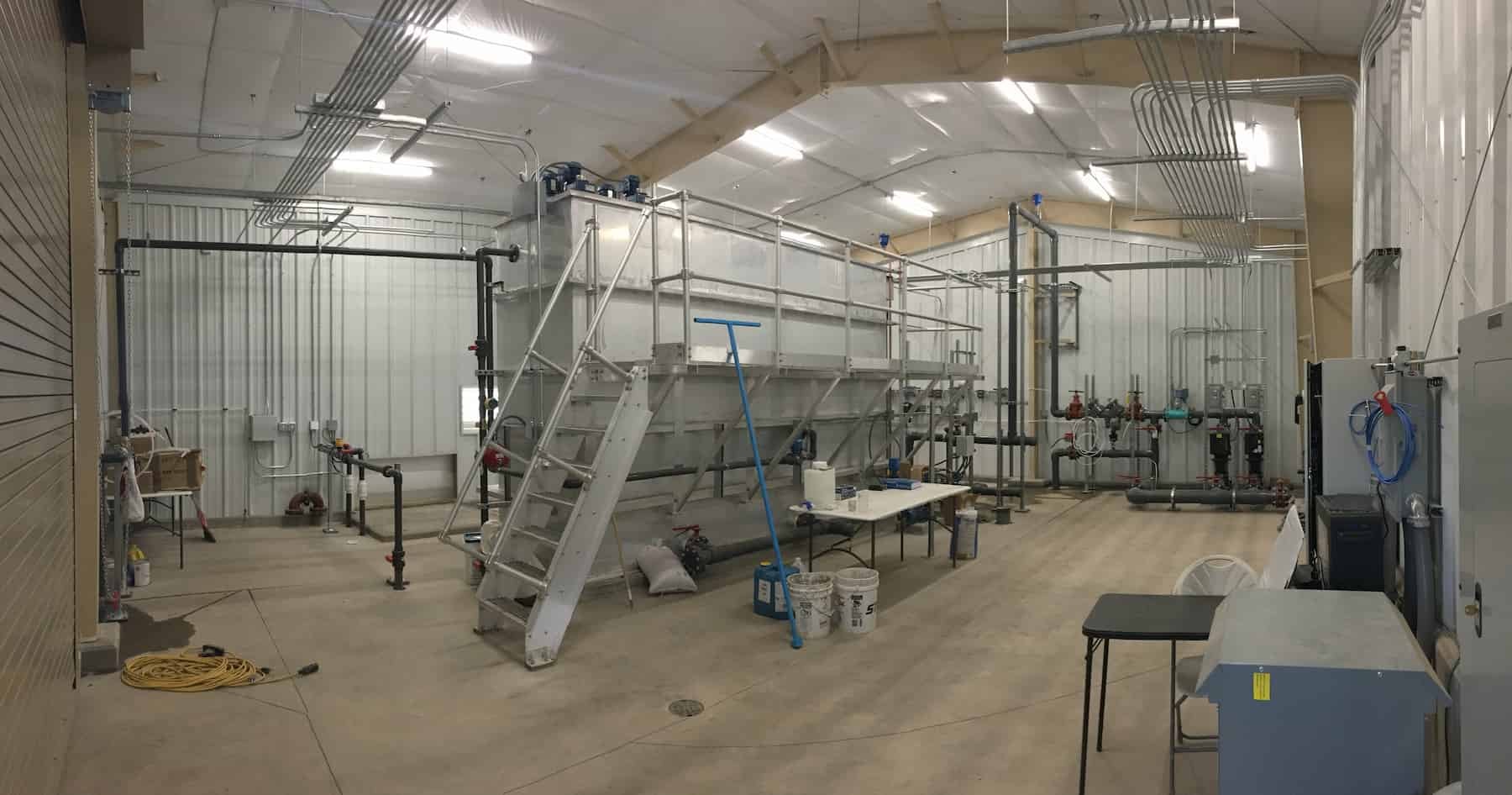
Answering the call for treatment solutions. With design and construction complete, Royal George Water Treatment Facility offers a real-world example of how RESPEC supports clients facing rising water management demands.
Predict, treat, and optimize
Smart mine water management starts with three core steps:
1. Predict risk with data and modeling.
RESPEC uses integrated models to simulate groundwater flow, brine movement, and contaminant pathways. This method enables operators to anticipate inflows, evaluate closure scenarios, and make informed infrastructure decisions.
2. Select the right treatment technologies.
Not all treatment systems are created equal. RESPEC uses a multiple accounts analysis approach to evaluate options based on performance, cost, sustainability, and site fit. “It’s a way to compare apples to apples,” says Mario. “Operators can see clearly which solution works best for them—technically and financially.” Despite a technology readiness level, treatability testing for technologies provides added certainty and is a recommended component of technology selection.
3. Optimize for operations and closure.
Water management doesn’t end with construction. RESPEC’s plans adapt over time, helping clients recycle water, reduce freshwater draw, and maintain compliance long after production ramps up.
Resilient, cost-smart operations
RESPEC’s mine water strategies are designed to help clients stay ahead of water challenges so they can focus on production, not reaction. In potash mining, this means reducing downtime, improving safety, and earning community trust by protecting surrounding ecosystems.
Planning for the whole mine lifecycle is a key factor. “We’re looking at post-closure water behavior from the beginning,” Mario says. “That’s where real cost savings come in—by avoiding expensive surprises down the line.”
The cost of doing nothing
Operators who wait to act on water management often face steep costs, financially and reputationally. Without a strong plan, the risks of regulatory violations, environmental damage, and prolonged shutdowns grow with every operational year.
It pays to plan
In mining, water can either be a constant threat or a source of strategic advantage. RESPEC makes the latter a reality. With decades of experience and tools that turn complexity into clarity, our team aids mine operators in managing water smartly, predictively, proactively, and profitably. If your company is ready to make water an ally, RESPEC can help.
This article originally appeared in the May 2025 issue of RESPEC’s Mining & Energy Market Insights Newsletter.
Related Presentation
Why Your Mine Design Should Integrate Mine Water Management to De-risk Operations
This archived webinar explores how integrating hydrology, hydrogeology, geochemistry, biogeochemistry, and water treatment into mine planning can help reduce risk, improve sustainability, and support long-term operational success.
Related Content
Gold at $5,000: What the Price Tells You and What It Doesn’t
Article

From the Client Side to Ours
Our People

When Inflow Stops Being Theoretical
Article