Turning Infrastructure Challenges Into Fundable Projects
Article
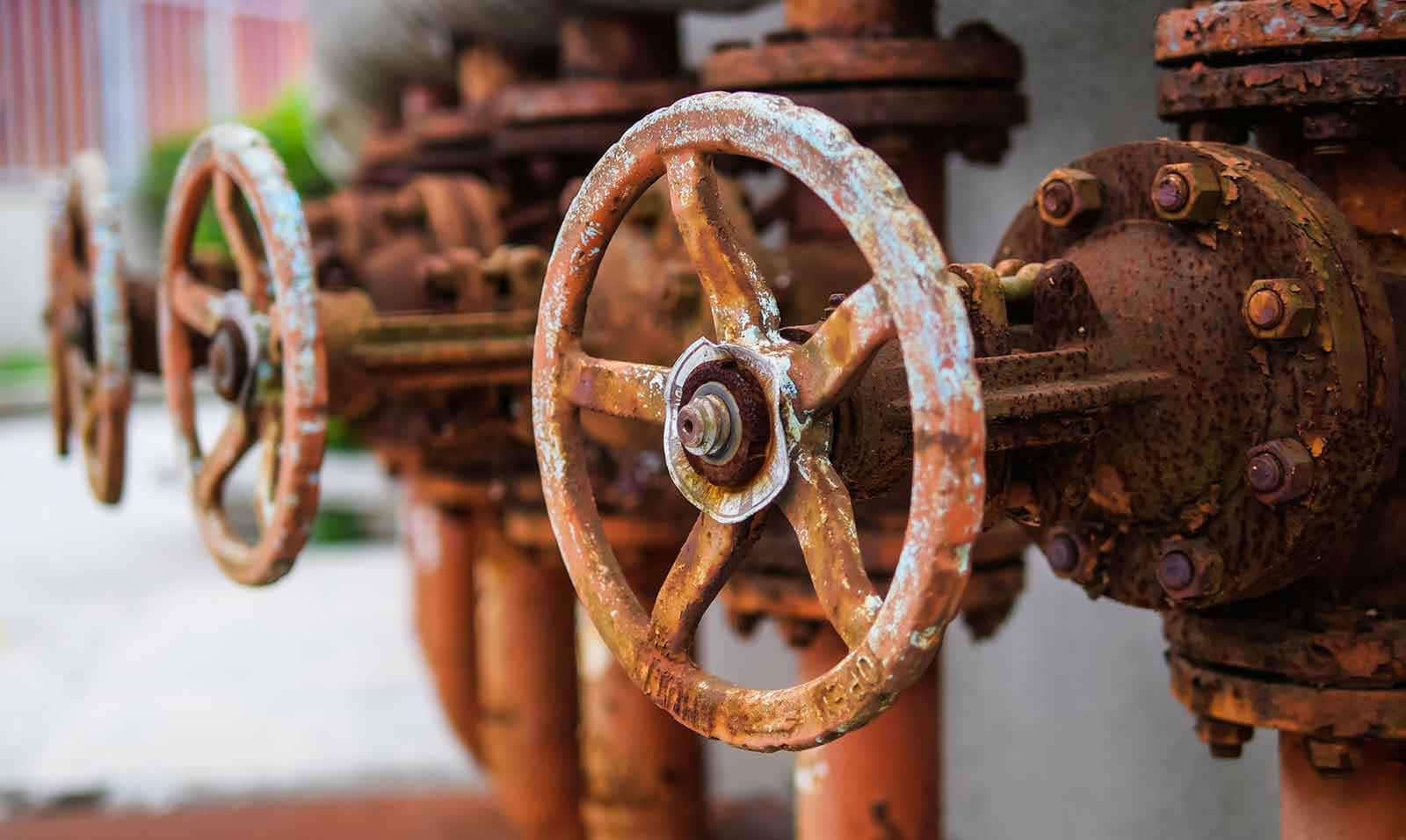
A pump fails. A temporary repair becomes permanent. Maintenance costs keep rising.
Infrastructure problems are easy to recognize, but securing funding to solve them is often much harder.
Across the country, water and wastewater systems face aging infrastructure, rising costs, limited staff, and competing priorities. Utility operators and local leaders often know where the challenges lie: a pump nearing the end of its useful life, equipment requiring frequent repairs, or service reliability becoming a growing concern. But identifying a problem is only the first step. The larger challenge is turning that problem into a project ready to compete for funding.
That gap is where RESPEC helps clients advance.
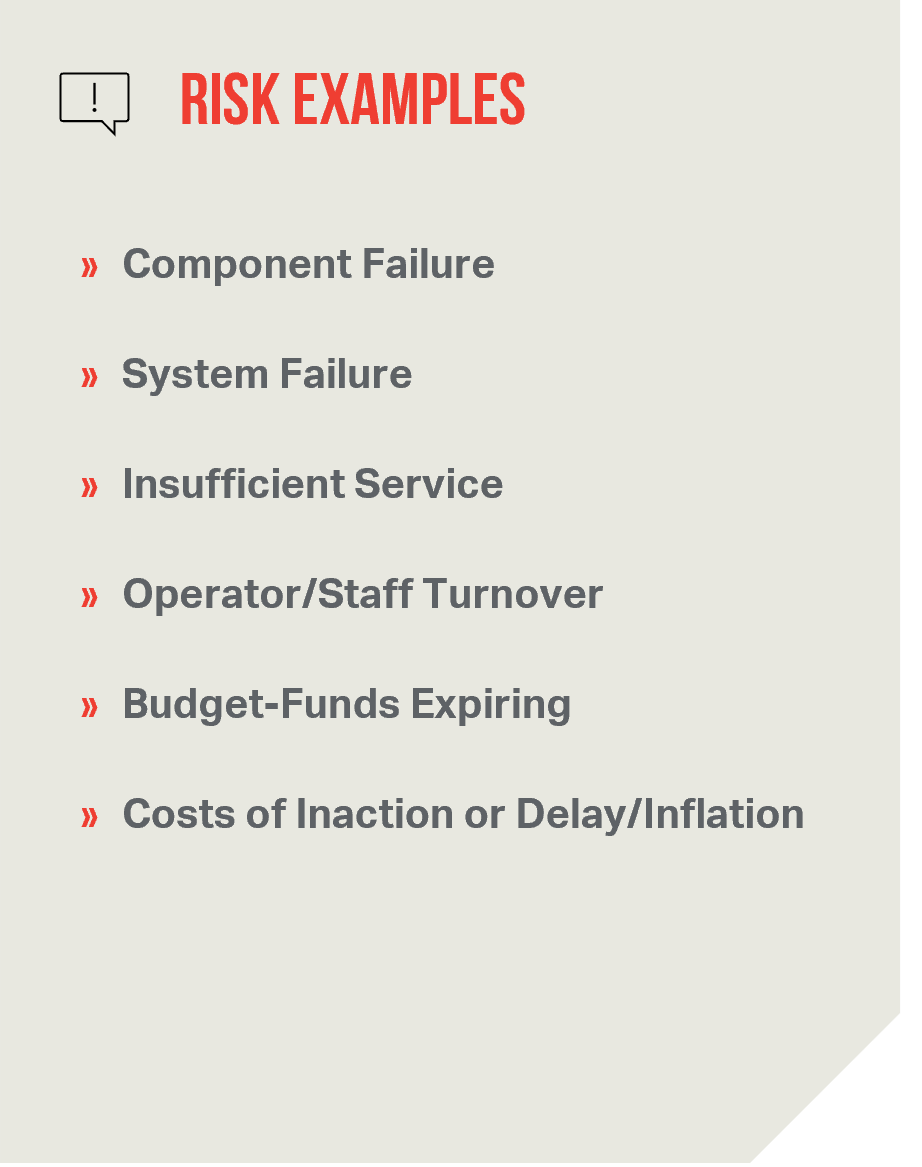
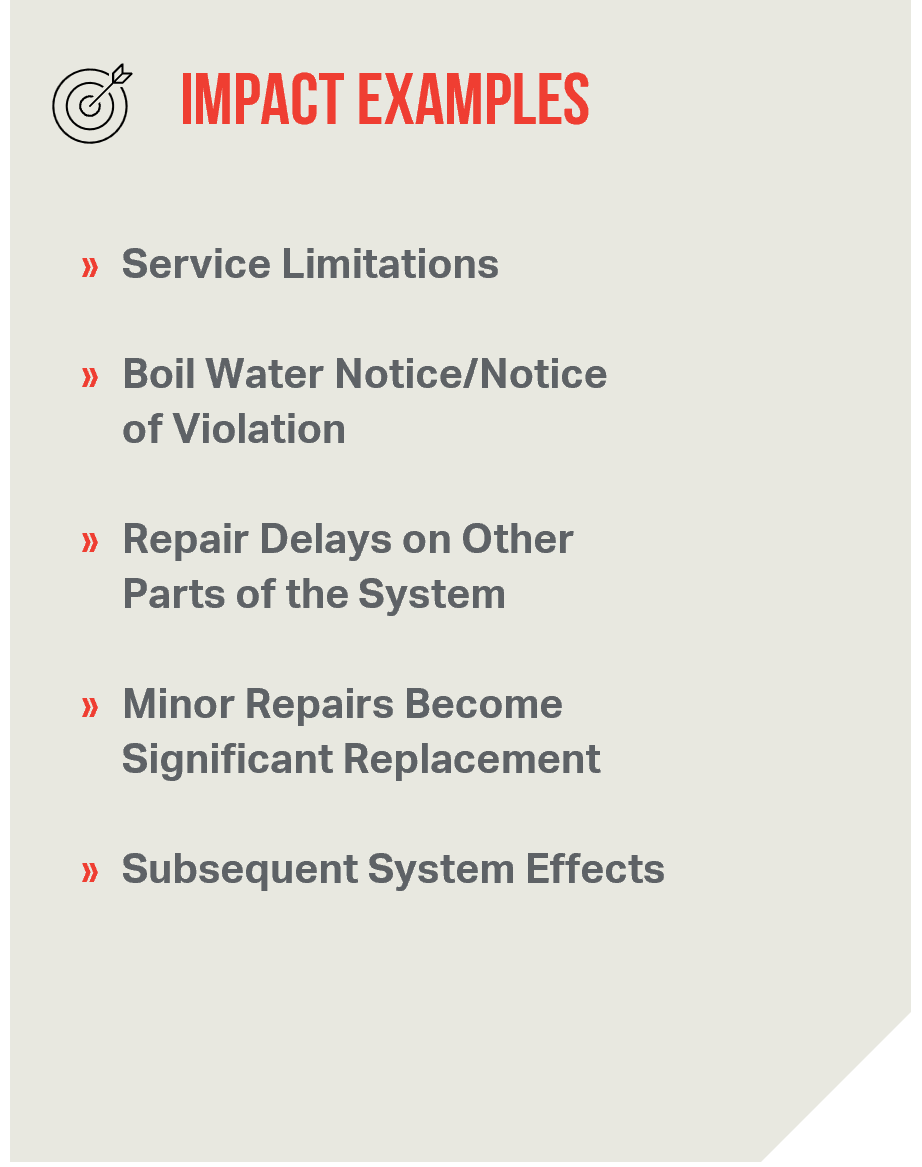
“The communities we work with usually know the problem they need to solve,” says Natalie Wagner, PE, a Project Engineer in RESPEC’s Anchorage office. “The challenge is defining that problem so the risk, impact, and value of taking action are clear.”
Natalie helps communities evaluate infrastructure challenges, identify risks, and develop project scopes that support funding and long-term resilience. Her work in Alaska brings a practical lens to this process. Remote locations, severe weather, shipping constraints, staffing limitations, and limited access to replacement parts can make infrastructure planning more urgent and more complex. Although Alaska’s conditions can be especially complex, the same challenge applies everywhere: turn field problems into clear, fundable projects.
A stronger path starts with looking beyond the immediate repair. What caused the problem? Who is affected? What happens if the project is delayed? Which other parts of the system depend on this asset? These questions help communities determine whether a maintenance issue signals a larger system risk.

“It is easy to focus on what failed,” Natalie says. “But understanding why it failed, what else it affects, and what could happen next helps communities make better decisions.”
Successful projects begin with a clear understanding of the problem rather than funding. Wagner guides clients through a structured planning process to identify root causes, evaluate risks, assess system impacts, and define priorities, which helps communities move beyond short-term fixes and create projects that clearly communicate need, urgency, and long-term value. This process also helps identify potential gaps before they affect project development or funding opportunities.
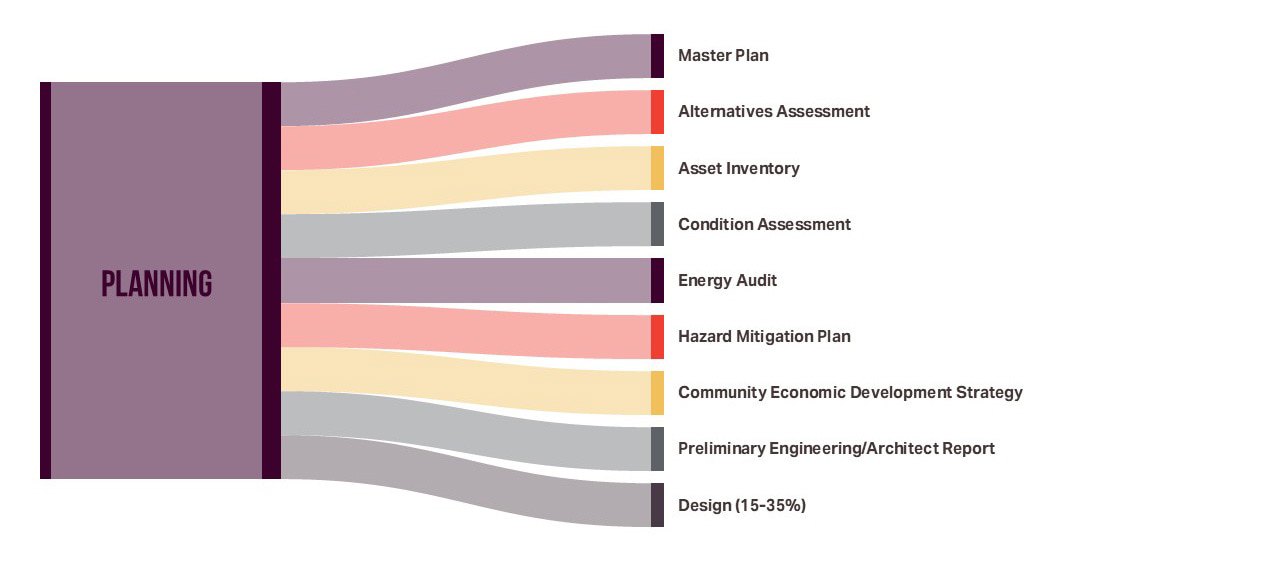
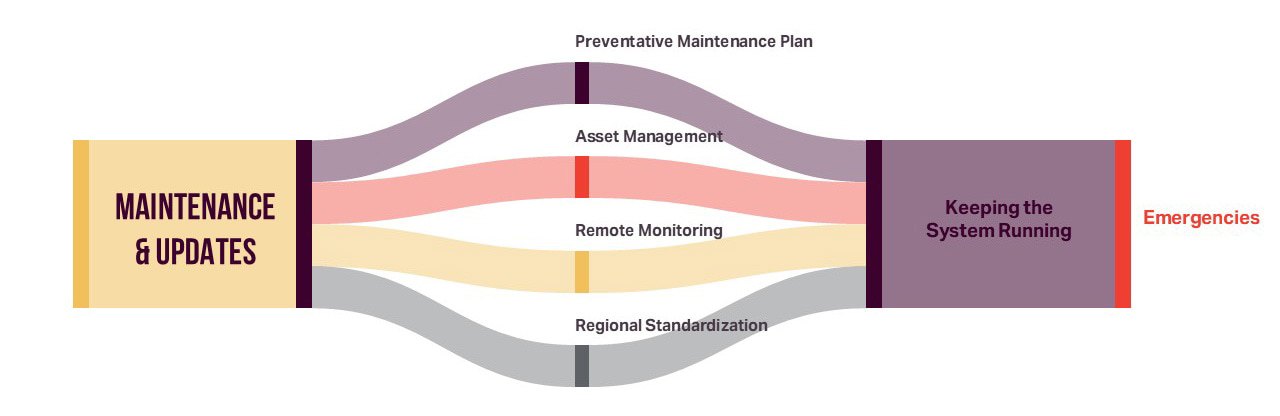
Strong projects also consider more than construction. Planning, design, permitting, environmental review, construction administration, operations, maintenance, training, replacement parts, and future upgrades all influence long-term success. Communities that take a broader view of infrastructure investments are often better prepared to compete for funding to avoid repeated emergency repairs. “The goal is not just to fix today’s issue,” Natalie says. “It is to help communities invest in solutions that will continue to serve them for years to come.”
The most successful infrastructure projects do more than solve a current problem. They strengthen essential services, support long-term resilience, protect public health, and help communities make the best use of limited resources. When communities clearly define the challenge, assess the risks, and chart a thoughtful path forward, they create projects better positioned to secure funding and deliver lasting value.
Related Content
Underground Injection Control: Solving Water Treatment’s Hardest Problem
Article
Where Bold Ideas Meet Arctic Reality
Article