Marguerite Lake Compressed Air Energy Storage and Hydrogen Hub
Projects
Client
Cache Power Corp.
Timeline
2021-ongoing
Location
Alberta, Canada
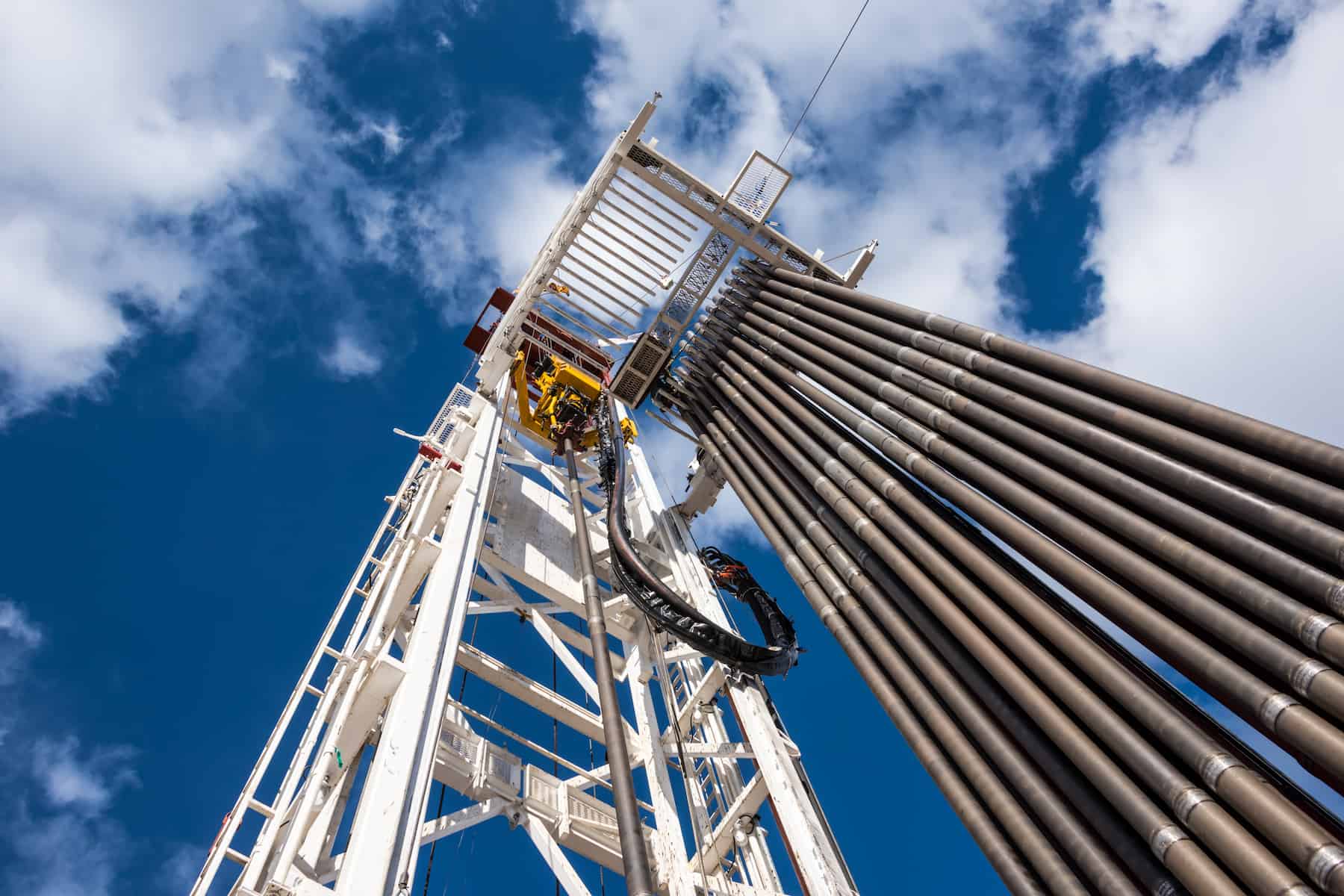
Strengthening Alberta’s Energy Grid Through Stored Air
In 2024, temperatures across Alberta dropped to −50°C (−58°F). Electricity demand surged as generation capacity tightened, exposing limited long-duration storage on the grid. At the same time, reliance on intermittent wind and solar generation continued to grow, increasing volatility during peak conditions.
The Marguerite Lake Compressed Air Energy Storage (CAES) and Hydrogen Hub adds long-duration storage capacity to Alberta’s grid. The 2024 cold snap underscored how quickly demand can outpace generation during extreme weather. The project captures excess off-peak and renewable electricity, compresses air, and stores it in solution-mined salt caverns. When demand spikes, the stored air is released to generate power, providing dispatchable capacity when the system is under strain.
Engineering 640 MW of Rapid-Dispatch Underground Storage
The facility is designed for 640 megawatts of capacity with up to 48 hours of discharge, approximately 30 gigawatt-hours of storage, and can reach full output within four minutes. Located adjacent to the Marguerite Lake substation, it integrates underground salt cavern storage directly with existing transmission infrastructure.
RESPEC led subsurface design from geologic siting and cavern configuration through well planning, storage optimization, and cost estimation. In parallel, the team supported consultation and coordination with affected First Nations, environmental regulators, and provincial agencies. Water sourcing and disposal zones required for solution mining were evaluated alongside permitting and land-use considerations as the project advances toward final investment decision.
Multi-Day Power During Peak Demand
Marguerite Lake introduces multi-day storage into a grid shaped by extreme weather and variable generation. Energy can be stored when it is available and held until it is needed. During events like the 2024 cold snap, that stored energy becomes available capacity. It reduces reliance on emergency imports and short-notice generation and gives operators more time and control when demand spikes.