Salt River Materials Group Limestone Reserve Expansion
Projects
Client
Salt River Materials Group
Timeline
2025–Ongoing
Location
Clarkdale, Arizona
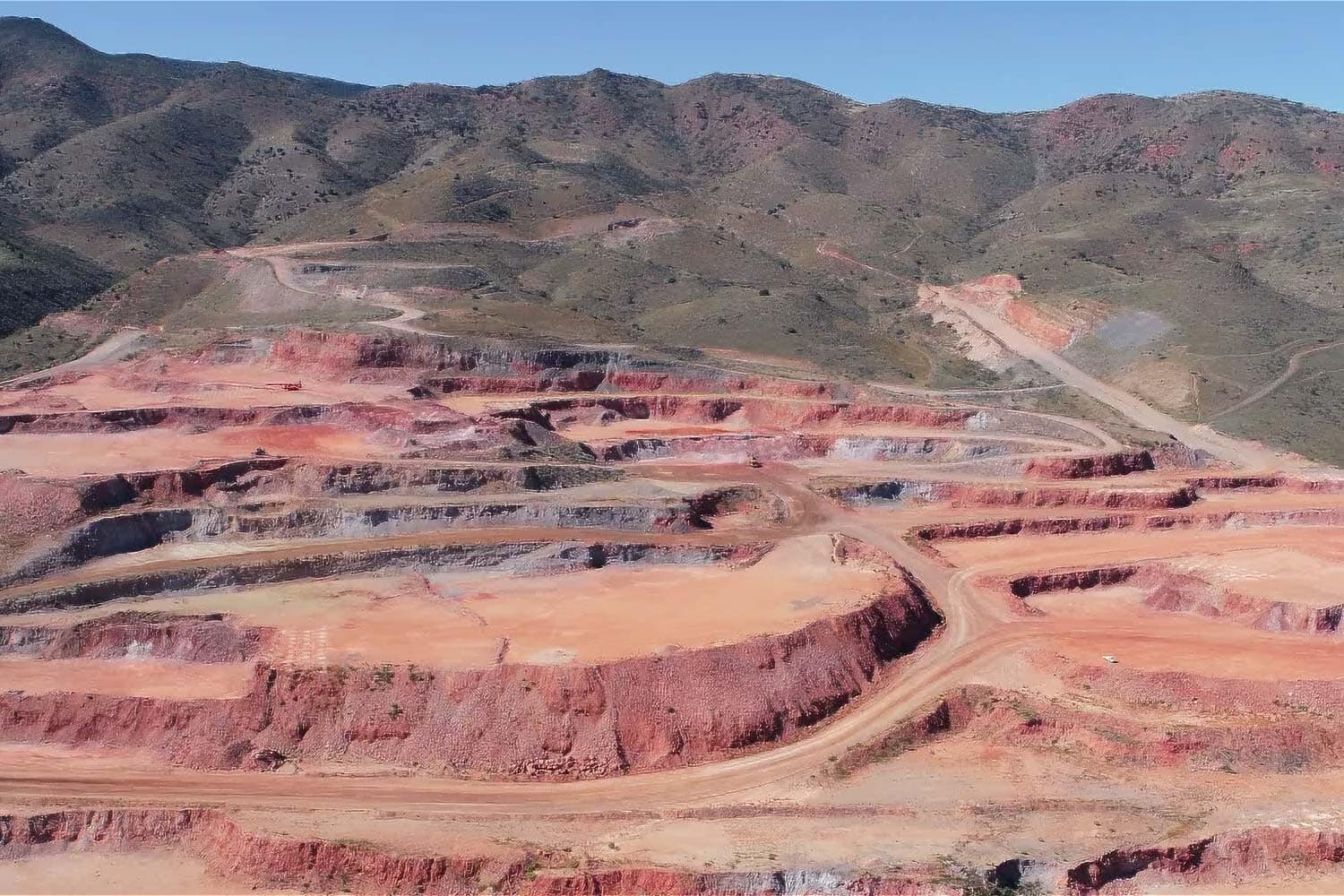
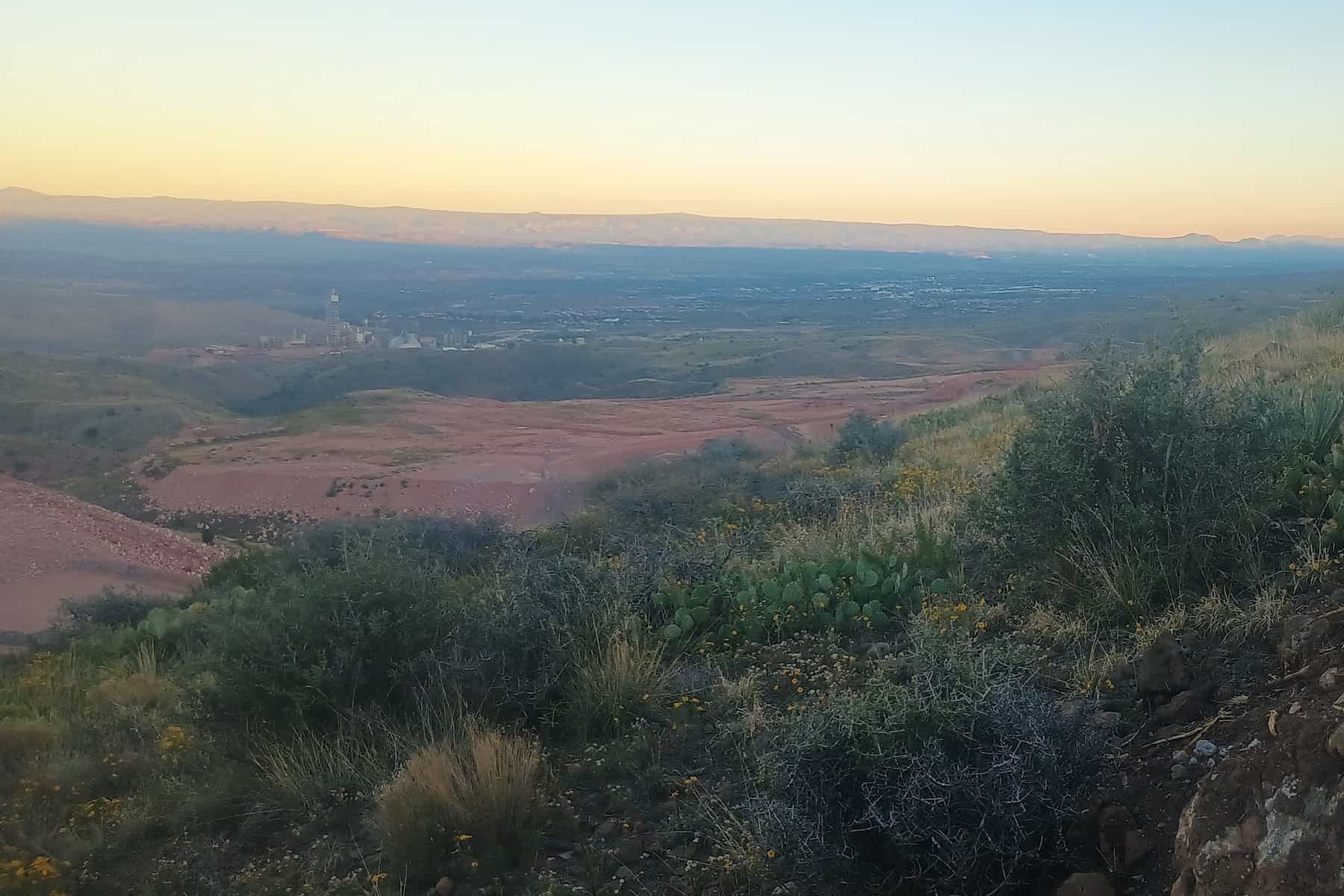
Proving Reserves to Extend Operational Life Across Private and Federal Land
When the Quarry Becomes a Constraint
Cement operations depend on limestone quarries for over 90% of their raw materials, but quarries usually account for only 10% of production costs, making them easy to overlook until reserves run out. Salt River Materials Group’s Clarkdale operation needed to verify the presence of additional reserves, determine if they were economically mineable, and secure permits for claims on U.S. Forest Service (USFS) land.
What started as mine planning has grown into a comprehensive effort that includes exploration drilling, 3D resource modeling, mine sequencing, and federal permitting.
RESPEC is managing a comprehensive turnkey drilling campaign on the privately owned Beatrice claim, the first in decades at the site. The rugged, heavily faulted terrain slowed drilling more than initially expected, which required close coordination among the team, client, and drill contractors.
Geologic logging was incorporated into GEOVIA SurpacTM software to create 3D block models that show limestone distribution and calcium oxide levels. The team then outlined final pit boundaries and developed annual mine plans to optimize material blending, balancing above- and below-grade limestone to meet exact chemical requirements without wasting high-quality material.
For the Redwall and Pima claims on USFS land, the team conducted reconnaissance mapping over 1,500 acres, outlining lithologic units and structural features for future drill planning. RESPEC is now managing National Environmental Policy Act (NEPA) compliance and Plan of Operations development and coordinating baseline environmental studies to secure exploration and mining approvals on federal land.
Extending Operational Life Through Proven Reserves
If successful, the project could extend the operation’s lifespan by 50 years or more, transforming suspected resources into proven reserves with the data and permits needed for economical mining.