Strategic Green Infrastructure Planning for Denver’s MS4 Program
Projects
Client
Department of Transportation & Infrastructure
Timeline
2024–2025
Location
Denver, Colorado


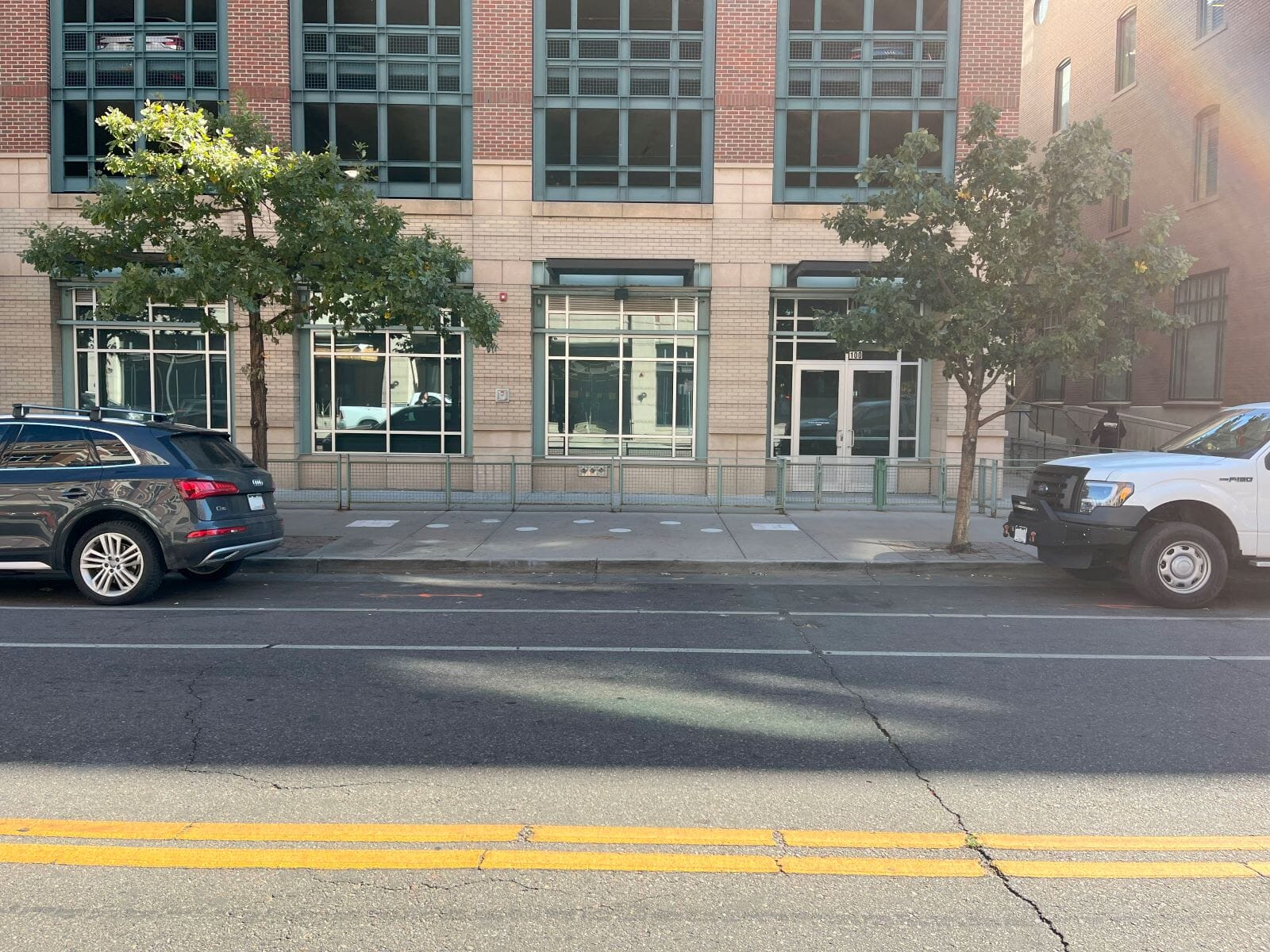
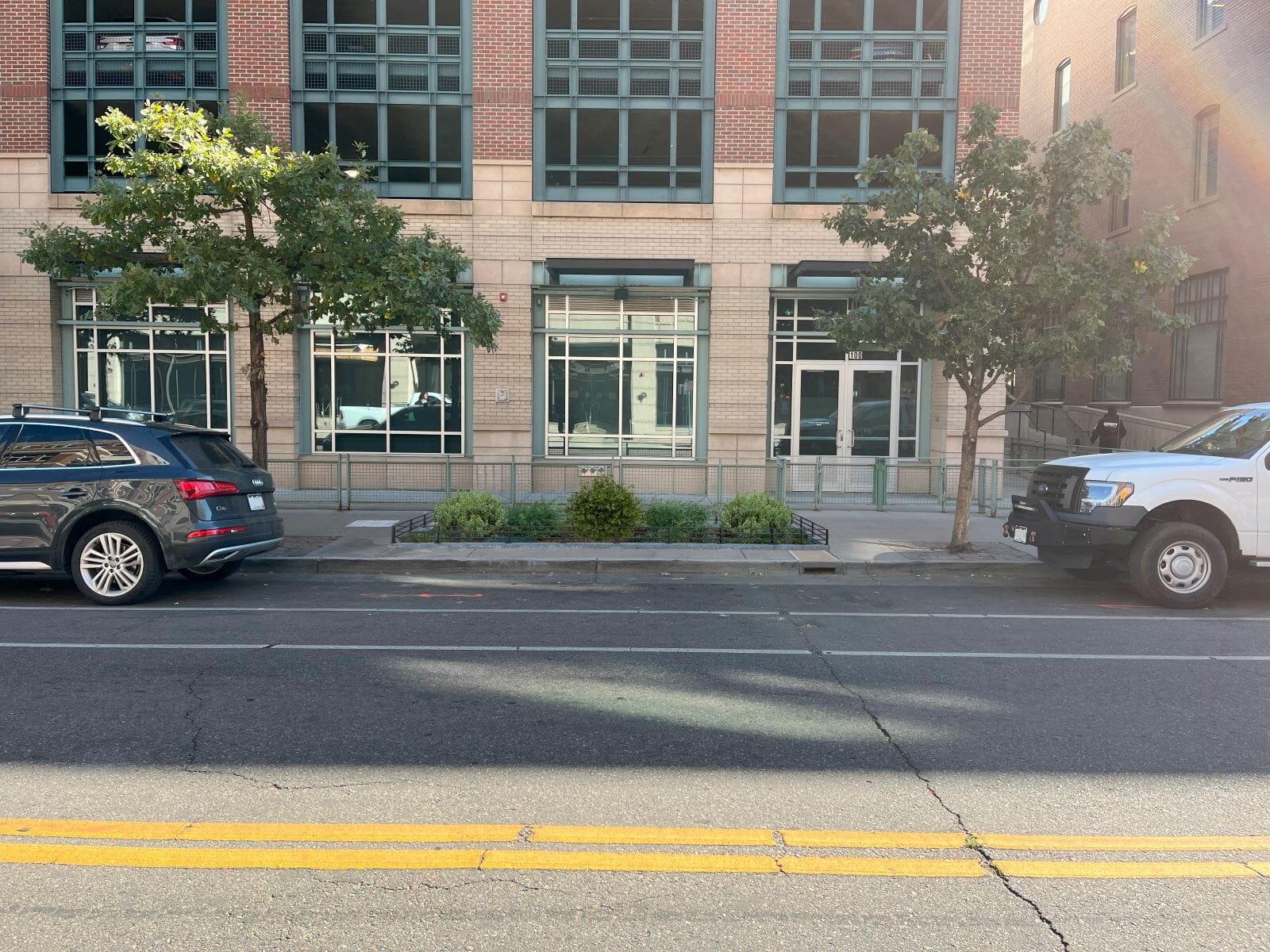
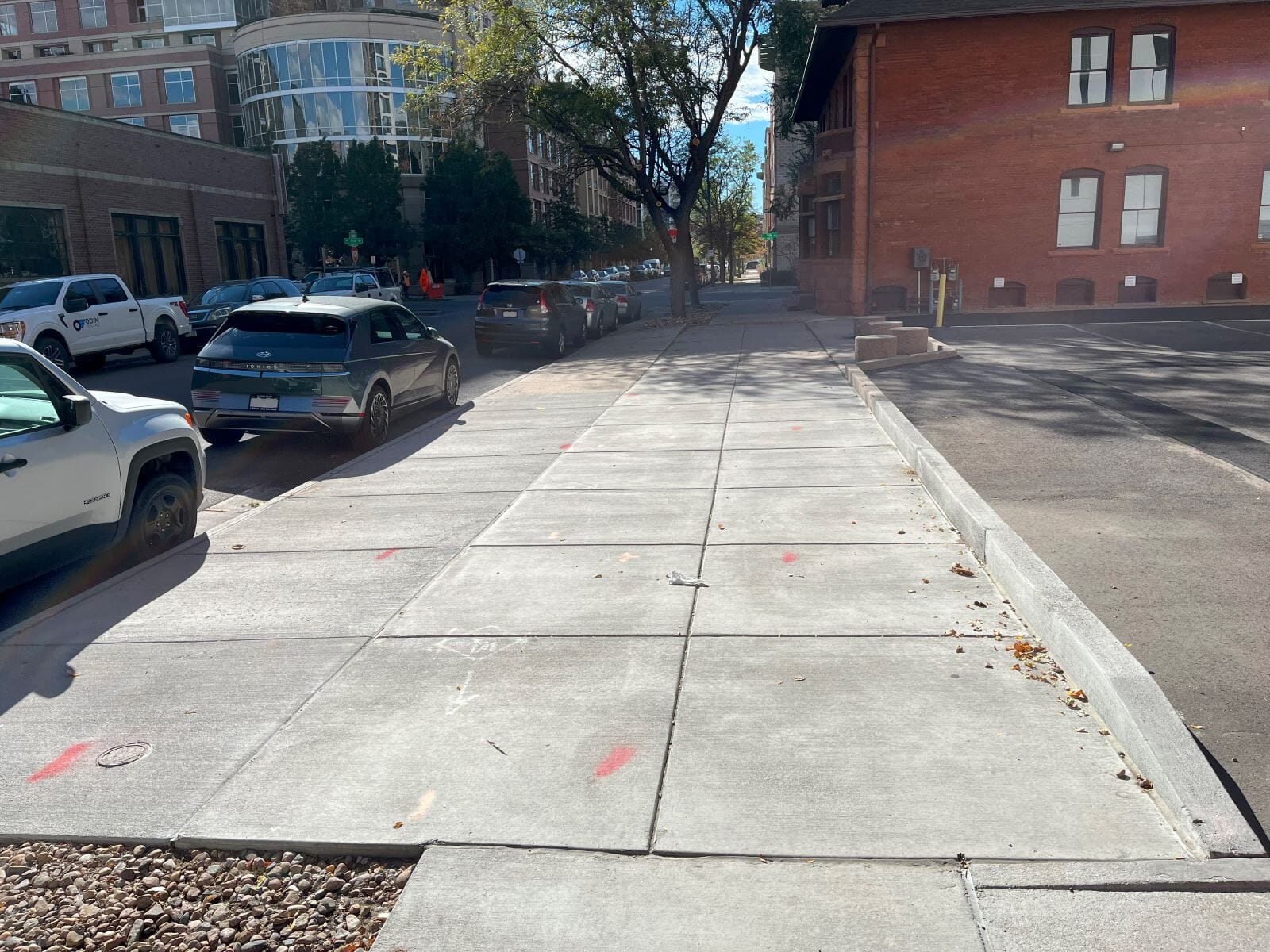
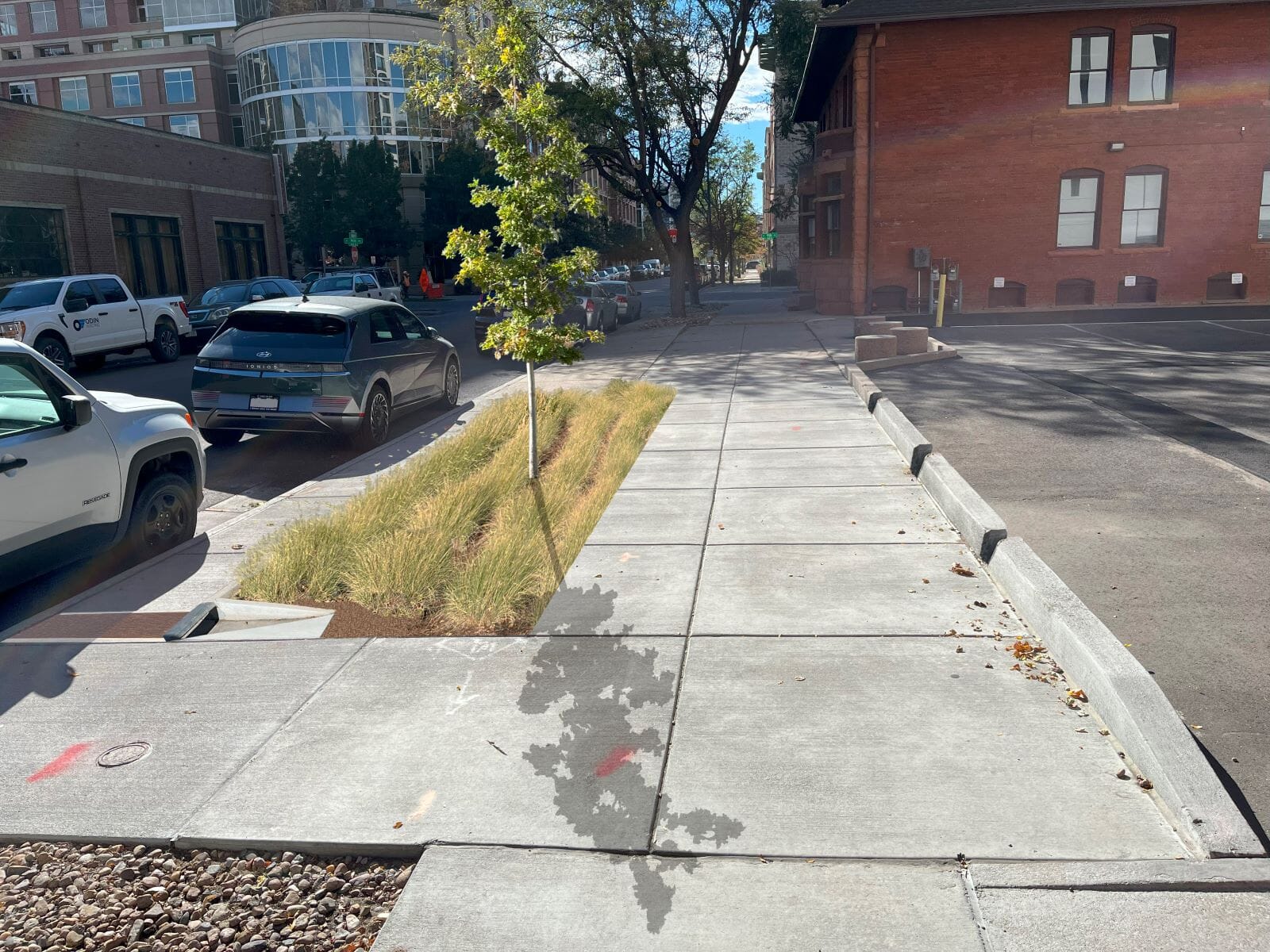
Meeting Stormwater Requirements While Investing in Greener, More Equitable Streets
Turning MS4 Compliance into An Early Planning Decision
Meeting Municipal Separate Storm Sewer System (MS4) requirements in Denver had become a coordination problem, not a technical one. Green infrastructure was often considered late in project development, after transportation designs were largely set, limiting feasibility and diluting water quality benefits. Denver’s Department of Transportation & Infrastructure (DOTI) needed a defensible way to decide where green infrastructure belonged, how it aligned with other City priorities, and how to justify those decisions under regulatory review.
Without a clearer framework, investments risked becoming reactive—meeting permit language without improving outcomes for water quality, heat mitigation, or equity.
Building A Defensible, Cross-Department Framework
DOTI manages a 6-year transportation capital program spanning hundreds of projects, each with different right-of-way constraints, schedules, and funding sources. Stormwater goals had to align with street design, tree canopy targets, heat reduction priorities, and equity commitments, all within fixed capital timelines. Any planning approach had to work across departments and remain transparent to both regulators and the public.
RESPEC partnered with DOTI to move green infrastructure decisions upstream. The team evaluated projects in the six-year transportation plan and developed a GIS-based planning framework to identify where green infrastructure could deliver the greatest combined benefit.
Using layered datasets, including tree canopy coverage, street-level temperatures, right-of-way constraints, flood history, and social equity indicators, RESPEC built scoring tools that rank candidate projects and recommend appropriate green infrastructure practices. The framework also identifies opportunities to bundle water quality benefits across multiple projects, improving coordination and investment efficiency.
From Reactive Mitigation to Repeatable Investment
DOTI now uses a repeatable planning framework to guide green infrastructure investment in support of MS4 compliance. The approach strengthens cross-department coordination, improves accountability, and helps ensure stormwater investments deliver measurable water quality benefits alongside community and environmental value as City priorities evolve.