US Salt Solution Mining Operations
Projects
Client
US Salt
Timeline
2019–ongoing
Location
Watkins Glen, New York
Precision Drilling and Brinefield Management for Medical-Grade Salt Production
Engineering Precision 3,000 Feet Below the Surface
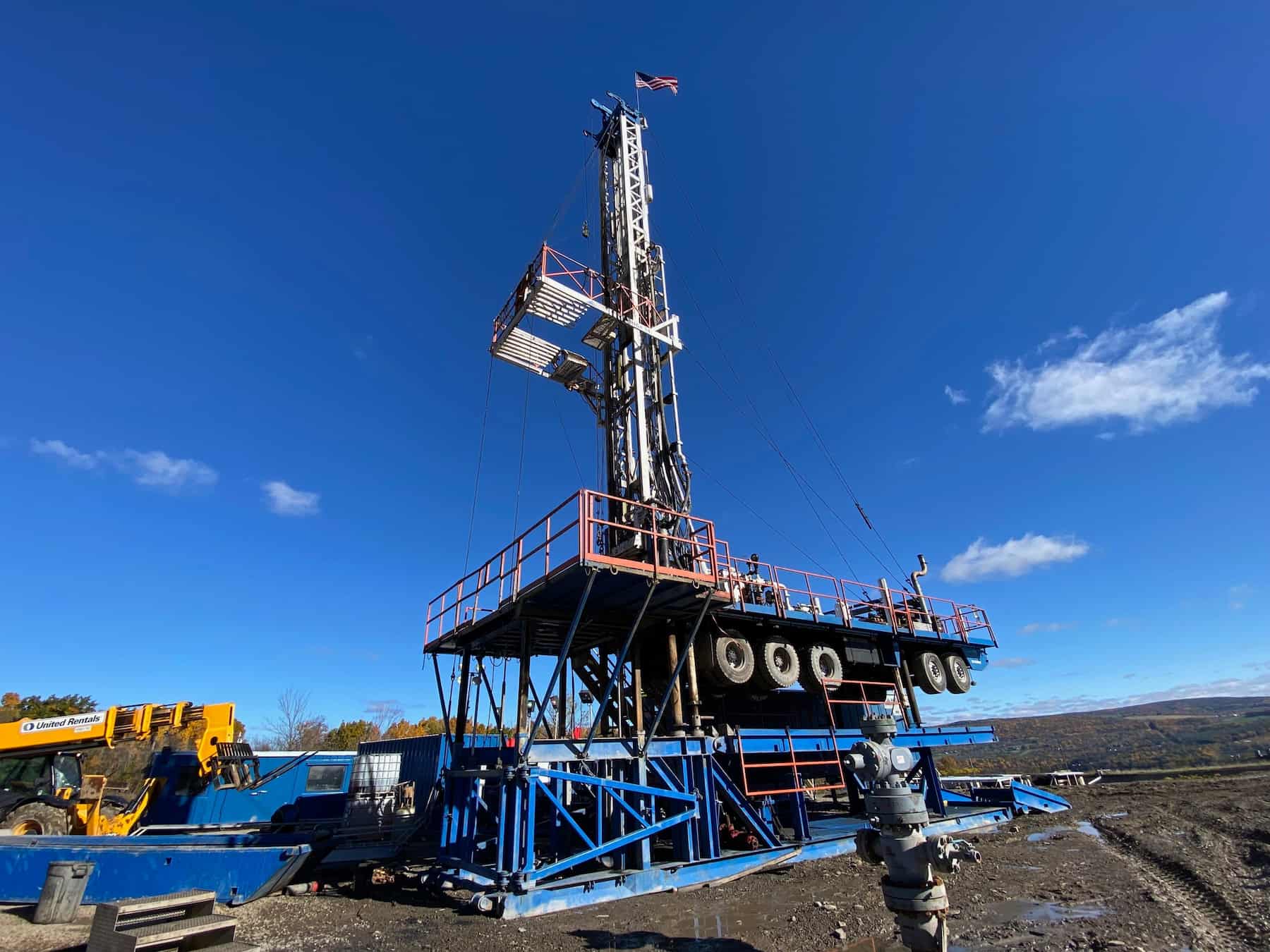
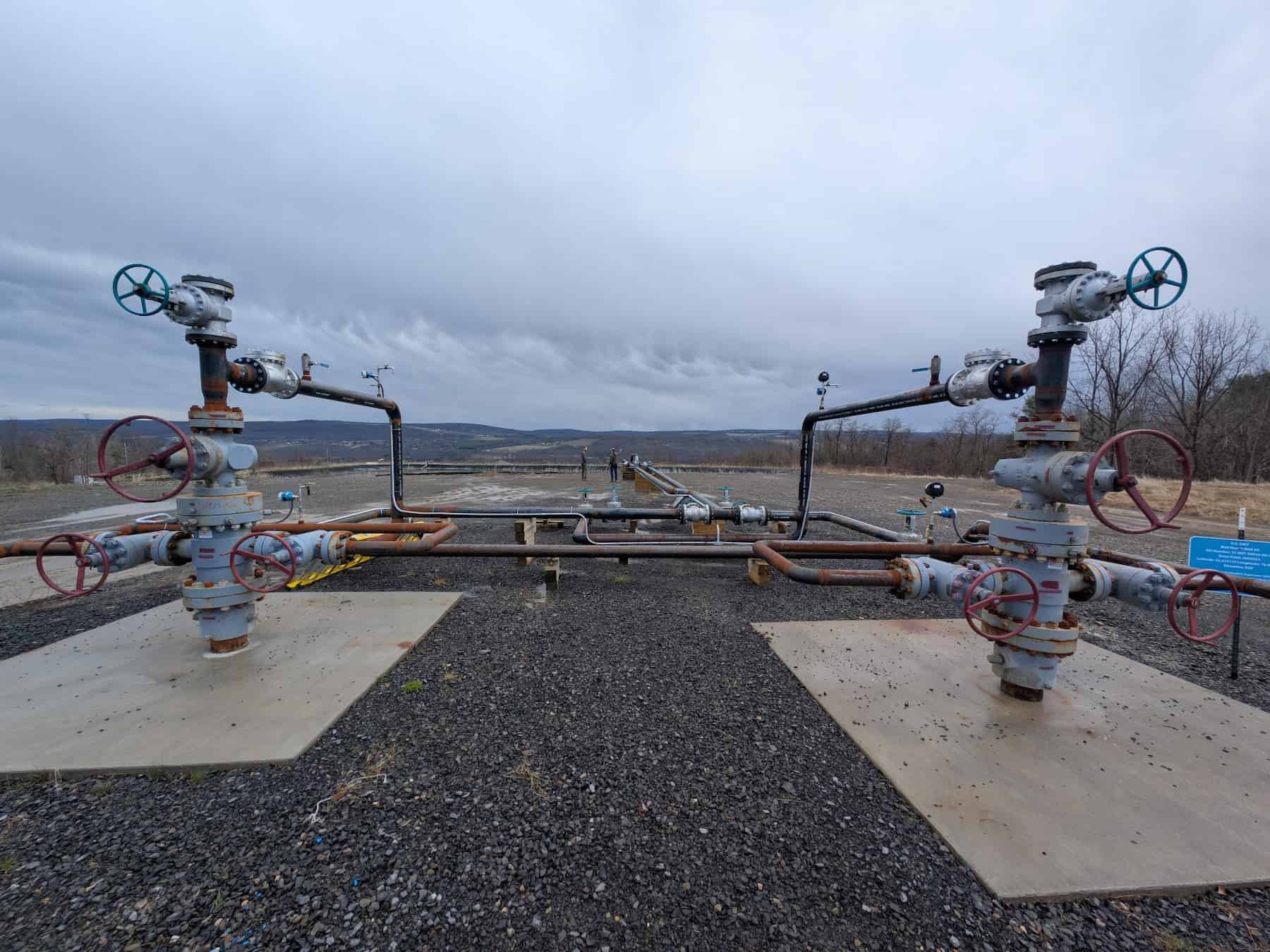
US Salt’s Watkins Glen facility produces consumer salt and medical-grade salt for hospitals by solution mining the Syracuse Formation near Seneca Lake. The operation pumps fresh water into wells drilled more than 3,000 feet deep, dissolves salt to create brine, which is then returned to a surface plant built in the 1890s, where boilers evaporate the water. The resulting salt is then refined, packaged, and shipped nationwide.
RESPEC provides drilling program design, brinefield management, and reserve reporting for an operation where cost efficiency and risk management influence every decision.
The team designed the newest mining gallery, Wells 69 and 70, which required complex 3D directional wells, drilling from a single surface location before turning horizontal underground to reach target zones beneath areas where surface drill pads couldn’t be constructed. Using precision directional drilling equipment and techniques allowed the wellbores to come to within feet of each other nearly intersecting, 3,000 feet from the starting point.
The precision mattered. The wells connected within days of pumping water. Other facilities attempting similar drilling have abandoned wellbores after exiting the salt formation, riding in and out of the target zone, and rendering wells inefficient or even unusable.
RESPEC prepared U.S. Environmental Protection Agency permit amendments, designed casing programs to prevent brine migration into drinking water and Seneca Lake, and interpreted sonar logging to define cavern geometry and guide injection and recovery operations. We continue to serve as subsurface consultants, helping ensure continued responsible and economical solution mining development.
Extending Operational Life Through Precision and Planning
The new mining gallery came online with wells connecting within days, avoiding failed or inefficient wellbores. Precision directional drilling extended access to deep salt reserves without expanding surface disturbance, supporting continued medical-grade salt production.
Well integrity design and ongoing cavern monitoring reduced risk to drinking water and Seneca Lake while allowing underground reserves to be managed as long-term production assets.